


St. Michael, Wright County
St. Michael Water Damage Help for Cold Homes
We help St. Michael homeowners with water damage restoration, emergency extraction, basement flooding, pipe-related losses, mold, and sewage backups. The local heating load reaches 8,211 degree days, so winter water can affect finished rooms and concealed spaces.
We clean and dry St. Michael homes where winter cold and 8,211 heating degree days raise pipe-loss risks.
- Serving 13 communities in 3 counties
- Call to set up a visit
- Covering 12 ZIP codes around Elk River
Working in Wright CountyAlbertvilleOtsegoBuffaloMonticelloElk River
- Licensed & InsuredLicensed & Insured
- Satisfaction GuaranteedSatisfaction Guaranteed
- Residential water damage in Elk River and nearby townsResidential water damage
- From Buffalo to St. FrancisFrom Buffalo to St. Francis

St. Michael, Wright County
How St. Michael Homes Shape Our Work
St. Michael's homes span more than one construction period. The median build year is 1997, and 18.2% of homes were built before 1980, so wall cavities, finished lower levels, and floor coverings can respond differently to the same water event. Summer adds a 532 cooling degree day load, which can affect how quickly damp rooms dry when air movement is limited. We begin with the source, then inspect beyond the visible edge. Our team maps moisture, checks affected materials, removes what cannot be dried, and records drying progress. The goal is a scope based on your property, not a broad description of the city.
- Trace moisture beyond the visible stain
- Check finished lower levels and utility spaces
- Set air movers and dehumidifiers
- Record readings during drying
Why people call us
Why St. Michael Details Matter
St. Michael is its own NFIP community, with a current effective flood map date of June 20, 2024. Its river boundary, local systems, and established housing give our team useful context before we scope the work.
Flood map context
St. Michael has its own NFIP community designation and a current effective FIRM date of June 20, 2024. We consider the property's lower levels and water pathway during inspection.
Crow River boundary
The Crow River runs along the eastern edge of the city. That setting makes the source, affected elevation, and contamination category important parts of the cleanup plan.
Local utility rules
St. Michael uses a sump pump ordinance to keep clear water out of the sanitary sewer system. We separate the water source and affected materials when planning cleanup.
Housing across eras
A median home build year of 1997 sits alongside homes built before 1980. Our technicians use readings and material conditions, not a broad assumption about every house.
How we help
Water Services for St. Michael Homes
St. Michael's river edge, established housing, sump pump ordinance, and changing weather give each water loss a different starting point. We match the service to what we find inside your home.
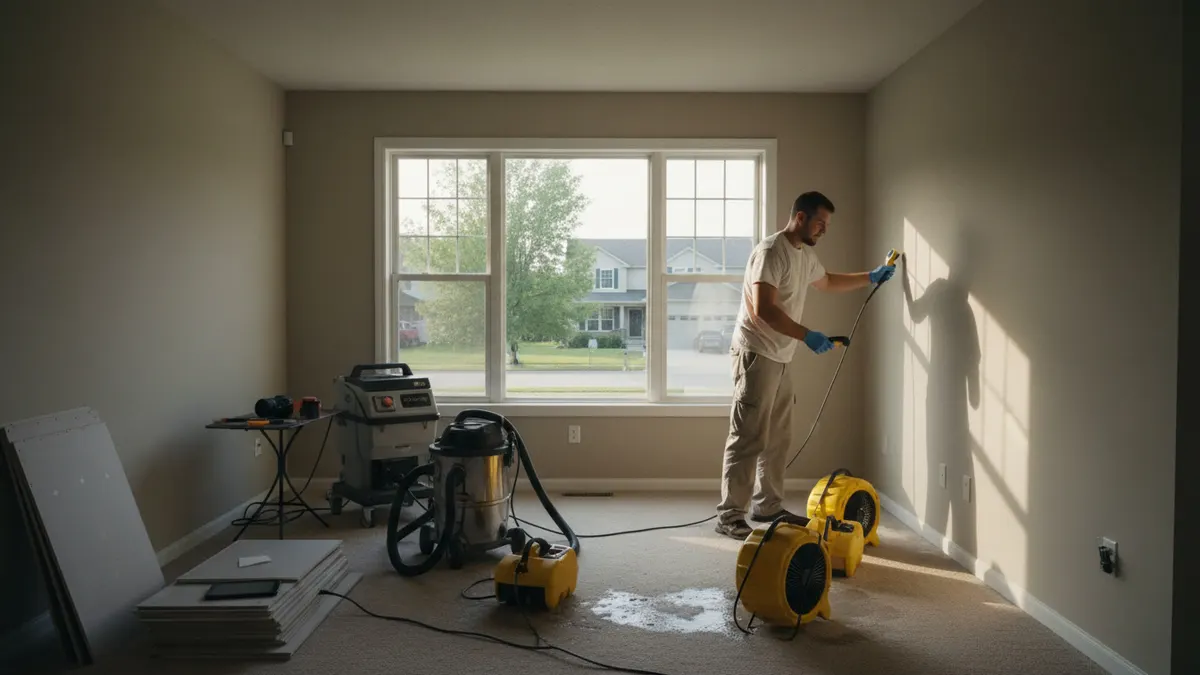
Water Damage Restoration
Homes built across St. Michael's housing periods can hide moisture in different assemblies, so we map, dry, clean, and document each loss.
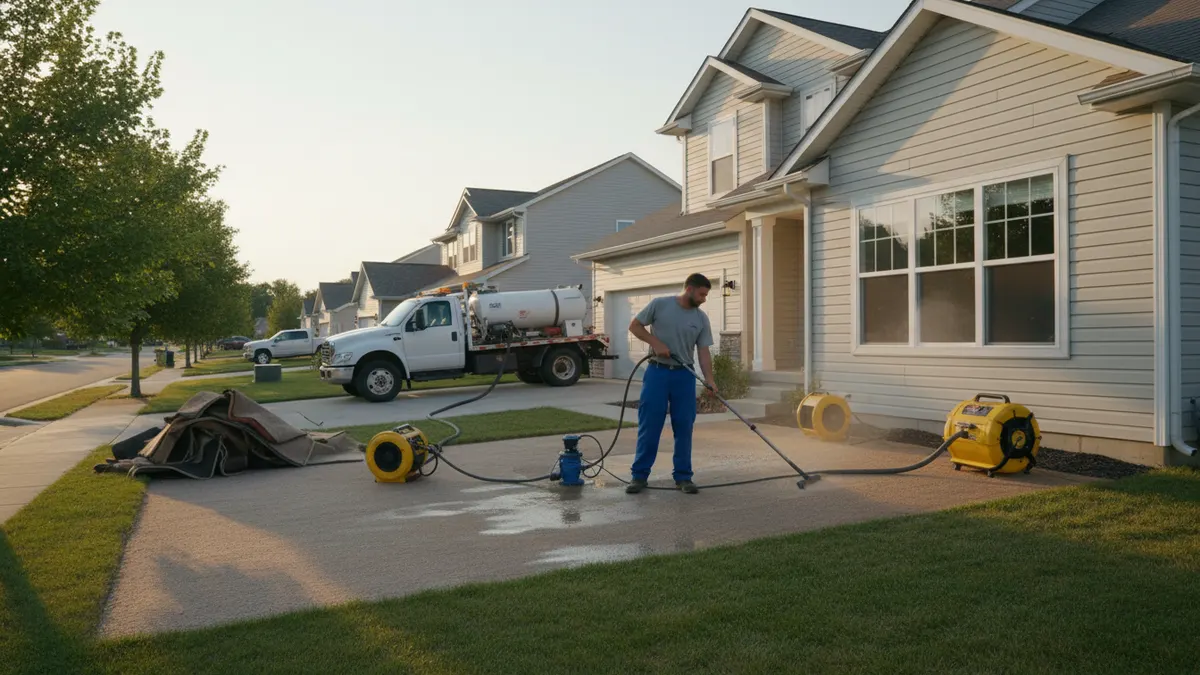
Emergency Water Extraction
Rain and flood exposure near the Crow River can leave standing water quickly; we remove it and start drying with portable or truck-mounted equipment.
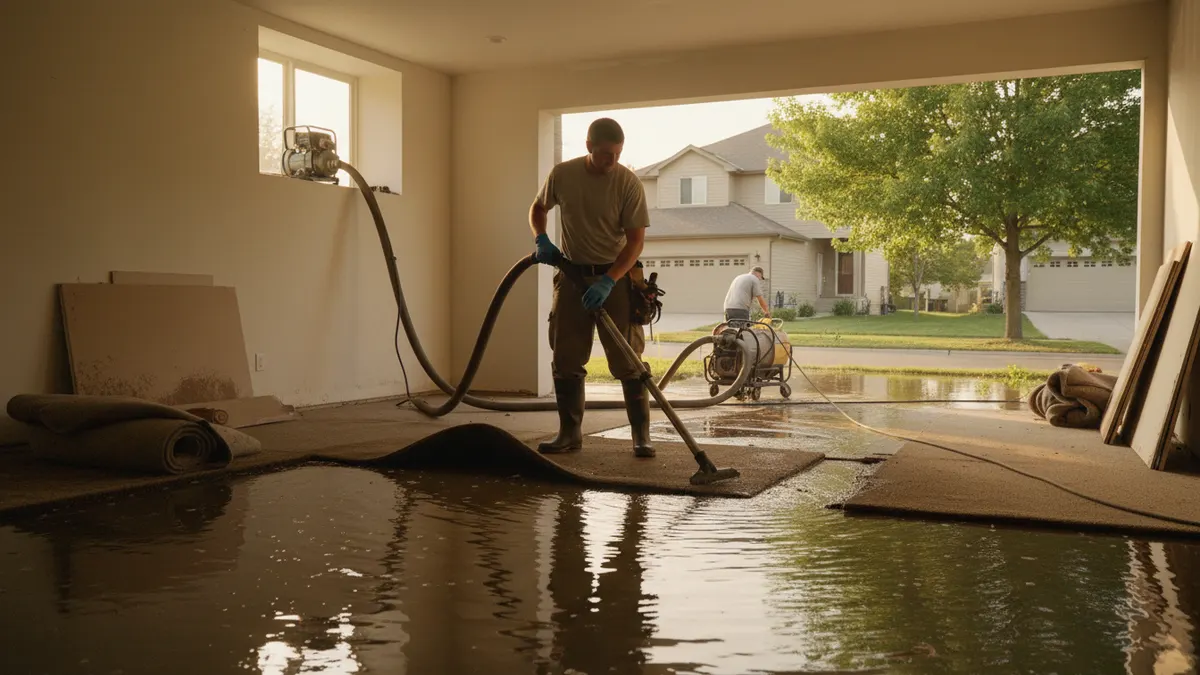
Flooded Basement Cleanup
The Crow River forms St. Michael's eastern boundary, making lower-level water calls especially dependent on the source, elevation, and contamination level.
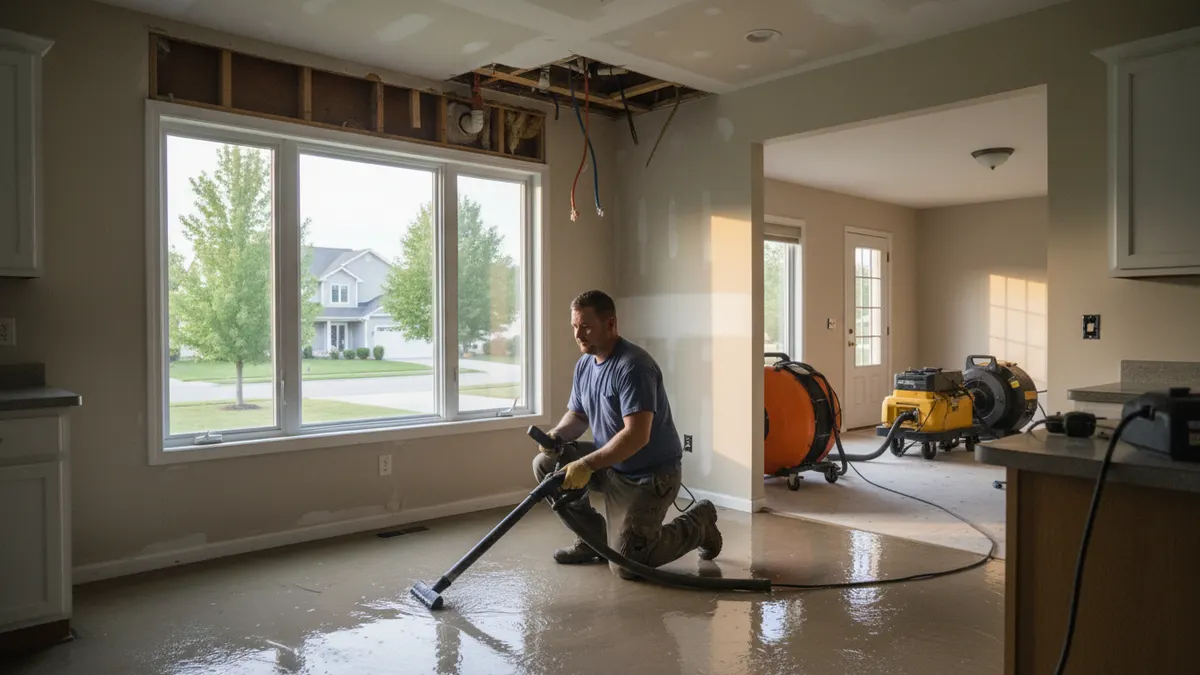
Burst and Frozen Pipe Water Damage
With 8,211 annual heating degree days, St. Michael homes can face cold-weather pipe losses requiring extraction, drying, and moisture checks.
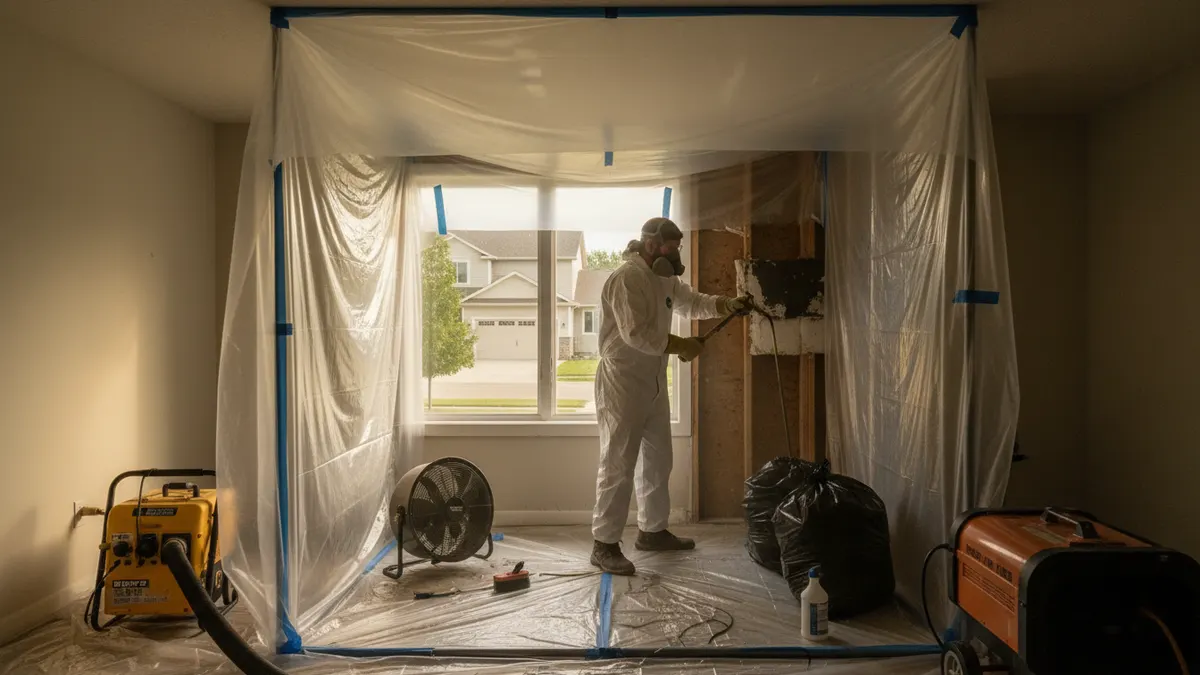
Mold Remediation
St. Michael's 31.74 inches of annual precipitation can keep hidden damp areas active, making containment, filtration, cleaning, and drying important after water damage.
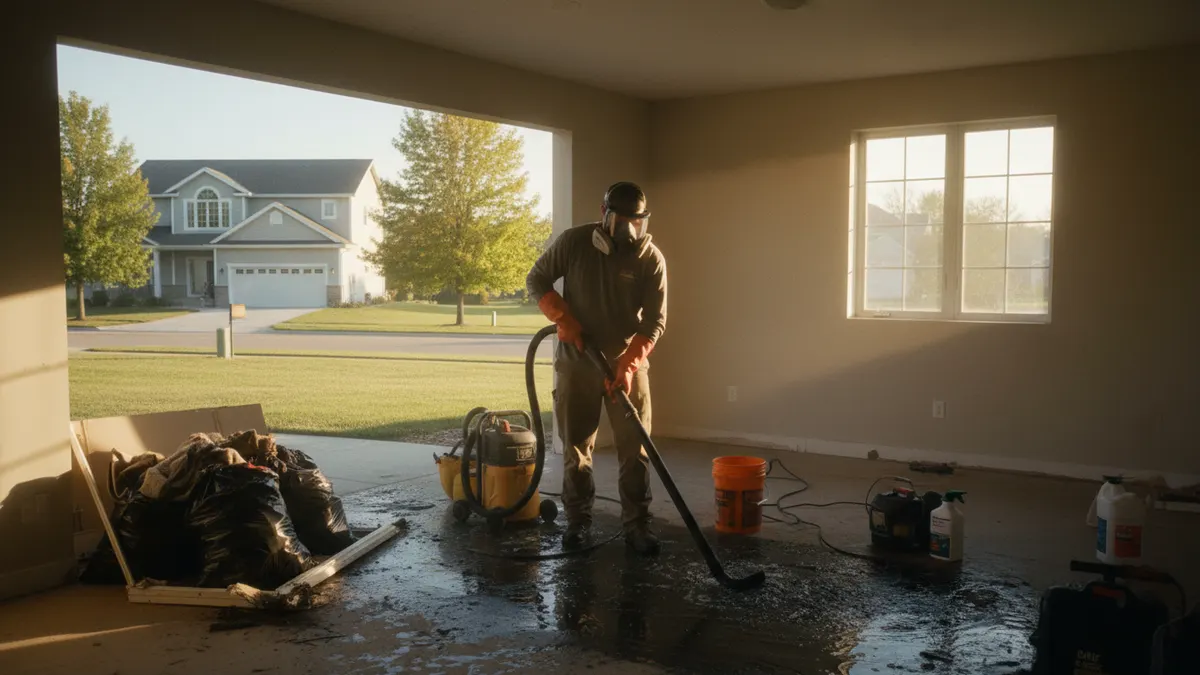
Sewage Backup Cleanup
St. Michael's sump pump ordinance reflects the importance of keeping clear water out of sanitary sewers; contaminated backups require controlled cleanup and disinfection.


Step by step
Our St. Michael Water Loss Process
St. Michael homes may connect finished rooms, lower levels, and utility spaces. We move from the first details to a documented drying result, adjusting the work to the actual property.
Step 1
Tell us what changed
We note the source, affected rooms, standing water, and access details. Mention finished lower levels, utility areas, or concerns near the Crow River side of the city.
Step 2
Inspect the home
Our technicians identify the water category, map moisture, and check floors, walls, ceilings, and connected spaces. We explain the proposed scope before work begins.
Step 3
Remove and treat water
We extract standing water, clean affected surfaces, and place air movers or dehumidifiers where readings show they are needed. Contaminated areas receive the required controls.
Step 4
Verify the dry condition
We return for moisture checks, adjust equipment, and document progress. When drying is complete, we explain what was cleaned, dried, or removed from the St. Michael home.
What affects the price
What Sets the Work Scope
I-94, US 52, and MN 241 help us reach St. Michael, but travel routes do not determine the charge. The property condition and the work required do.
Water category
A clean supply-line loss differs from a sewage backup. Contamination changes the protective measures, cleaning, removal, and drying required.
Affected square footage
Water confined to one area takes a different scope than moisture crossing rooms, floors, or a finished lower level.
Building materials
The home's construction period and the materials behind finished surfaces affect whether we can dry them in place or must remove damaged porous material.
Standing water depth
The amount and location of standing water determine whether we use portable or truck-mounted extractors, pumps, or carpet extraction.
Drying conditions
Cold-weather conditions associated with St. Michael's 8,211 heating degree days can change equipment placement and the monitoring needed to reach a dry condition.
Source and access
A storm, overflow, pipe-related loss, or sump-related event can require different steps. Access to rooms and affected surfaces also changes the work plan.
We agree on the scope and the price with you before we start.
Around town
St. Michael Numbers With Practical Meaning
These local figures describe the homes and climate our team encounters. They provide context, while readings at your property determine the actual cleanup scope.
532
Cooling degree days a year
532 cooling degree days indicate summer heat that can add moisture and drying demand indoors.
91.4%
Owner-occupied homes
91.4% owner occupancy means many local callers are making decisions for homes they maintain themselves.
8,211
Heating degree days a year
8,211 heating degree days point to sustained cold-season drying challenges after water enters a home.
1997
Median year built
A 1997 median build year reflects housing where hidden moisture paths still require direct inspection.
Sources: NOAA 1991-2020 climate normals, Buffalo 2NE station; U.S. Census Bureau, ACS 2023 5-year estimates
Good to know
Questions About St. Michael Water Work
How should I get ready for the visit?
Write down when the water appeared, the rooms involved, and whether the source is still active. Move small belongings away only when it is safe. Leave clear access to lower levels, utility areas, and nearby rooms so we can trace moisture beyond the first visible spot in your St. Michael home.
Do I need to be home during the visit?
Not always. Tell us during scheduling how our technicians can enter and which spaces need attention. We need access to affected rooms, including finished lower levels or utility areas. If moisture has moved into wall or ceiling spaces, those locations may also need inspection even when the visible damage seems limited.
Do you cover the towns around St. Michael?
We serve St. Michael, Albertville, Otsego, Hanover, Buffalo, and Monticello. I-94, US 52, and MN 241 give our team direct routes into the city and nearby homes. We handle standing water, lower-level losses, pipe-related damage, mold, and contaminated water cleanup across this service area.
Which season keeps you busiest in St. Michael?
No single season explains every call. Winter cold can contribute to frozen or burst supply lines, while rain and summer storms can send water toward lower levels. The local climate record includes 8,211 heating degree days and 532 cooling degree days. We scope each loss from its source and moisture readings.
What happens when I call?
We collect the basic details, arrange access, and inspect the affected parts of the home. Our technicians map moisture, identify the water category, and explain which surfaces need cleaning, drying, or removal. For standing water, our 24/7 emergency extraction service can begin removal and place drying equipment the same day.
Our area
Water Damage Coverage Around St. Michael
Find your street and town on the map to confirm the service area. From St. Michael, our team also reaches Albertville, Otsego, Hanover, and other nearby communities.
Local climate
St. Michael Moisture and Drying Conditions
NOAA Buffalo 2NE is 7.3 miles from St. Michael. Its 1991-2020 normals show 31.74 inches of annual precipitation and 39.8 inches of snow, conditions that can bring water into basements and extend drying work.
A typical year
- January averageLows near 2.7°F
- 12°F
- July averageHighs near 80.9°F
- 71°F
- Heating degree daysPer year, base 65°F
- 8,211
- Cooling degree daysPer year, base 65°F
- 532
- PrecipitationRain and melted snow per year
- 31.74 in
- SnowfallAverage per year
- 39.8 in
NOAA 1991-2020 climate normals, Buffalo 2NE station, 7.3 miles from St. Michael.
This week in St. Michael
Live forecastCall About Your St. Michael Home
St. Michael-Albertville High School serves this community, and our team serves its homes. Call us to inspect the loss and explain the next steps.
Speak with our team
(763) 297-5013Service area
Elk River, MN 55330