


Big Lake, Sherburne County
Big Lake Water Damage Service for Big Lake Homes
We help Big Lake homeowners with water damage restoration, extraction, basement cleanup, pipe-related losses, mold, and sewage backups. The city has 4,075 housing units, so we scope each affected home by its actual materials and moisture readings.
We scope Big Lake water damage by the home, its materials, and moisture readings.
- Serving 13 communities in 3 counties
- Call to set up a visit
- Covering 12 ZIP codes around Elk River
Working in Sherburne CountyMonticelloBeckerOtsegoAlbertvilleElk River
- Licensed & InsuredLicensed & Insured
- Satisfaction GuaranteedSatisfaction Guaranteed
- Residential water damage in Elk River and nearby townsResidential water damage
- From Buffalo to St. FrancisFrom Buffalo to St. Francis

Big Lake, Sherburne County
Big Lake Homes Need Careful Moisture Checks
Sherburne County homes have a median build year of 1995, while 26.4% were built before 1980. Big Lake also has homes from many construction periods, with 4,075 housing units and an 86.6% owner-occupied share. That mix changes how water moves through basements, finished lower levels, walls, and ceilings. Our technicians inspect the affected areas, identify wet materials, remove standing water, and place drying equipment according to measured conditions. We also account for the city's lakes, river setting, wastewater system, and cold-weather exposure when we explain the work. Our team handles the cleanup itself and documents the drying decisions for your home.
- Moisture mapping in affected rooms
- Drying plans based on readings
- Cleaning after contaminated water
- Documented progress checks
Why people call us
Why Big Lake Conditions Shape the Job
The Elk River gauge near Big Lake reached 10.86 feet in 1965 and 9.46 feet in 2001. That history, along with the city's lakes and wastewater system, gives our inspection a useful local frame.
River and lake setting
Big Lake and Mitchell Lake lie in the city, and part of the city follows the Elk River. We consider those surroundings when we examine lower levels and wet building materials.
A mixed housing stock
The county median build year is 1995, while 26.4% of county homes predate 1980. Construction period can affect where water travels and what can be dried.
Municipal wastewater context
Big Lake treats wastewater at a facility built in 1981 and updated in 1996 and 1999. A sewage loss needs different cleaning and disposal decisions than clean water.
Flood information matters
Big Lake has its own NFIP community designation and an effective FIRM date of November 16, 2011. We still base the work at your property on observed damage and readings.
How we help
Water Services for Big Lake Homes
Big Lake's lakes, Elk River setting, housing mix, cold winters, and city wastewater system all change how we inspect and dry a home. We match the service to the source and affected materials.
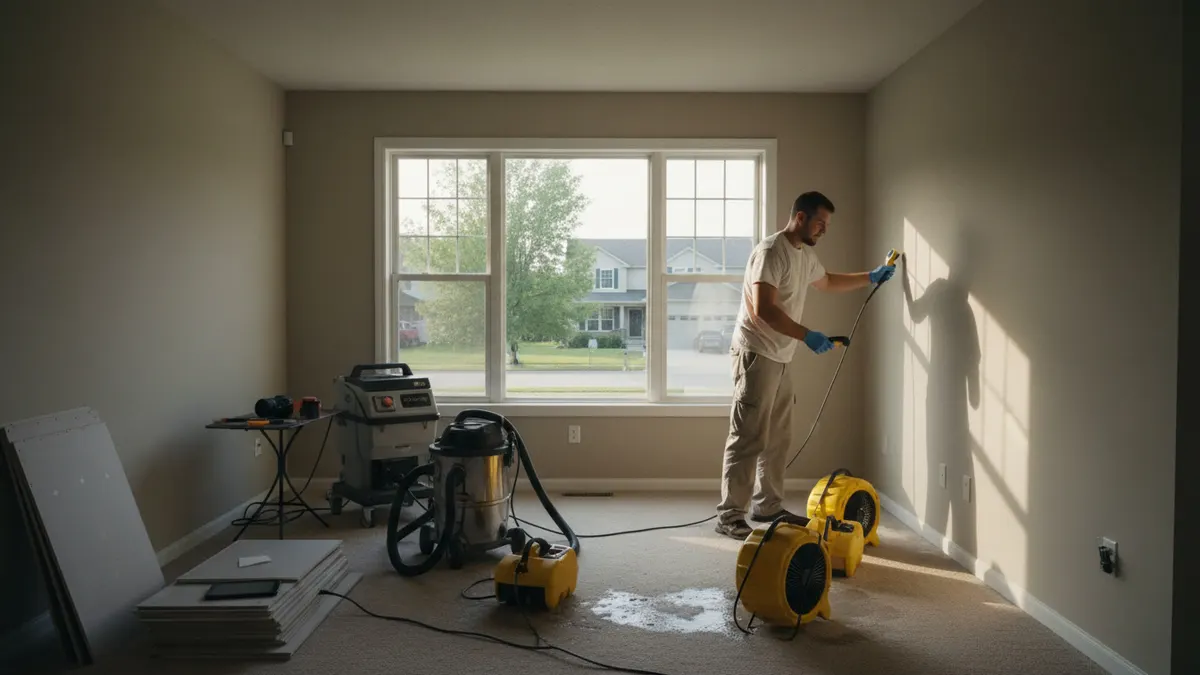
Water Damage Restoration
With 4,075 housing units across Big Lake, we inspect each loss for hidden moisture before mapping, extraction, cleaning, and documented structural drying.
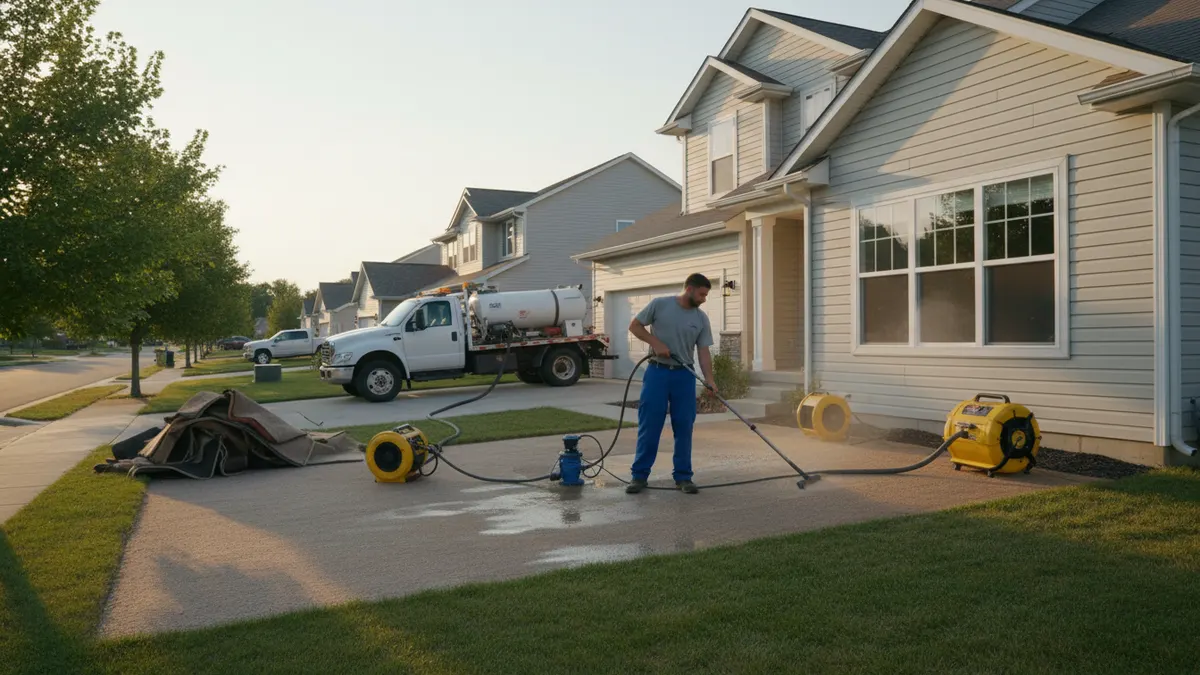
Emergency Water Extraction
Big Lake's connection to Mitchell Lake and the Elk River makes fast standing-water removal important when storms or overflows reach a home.
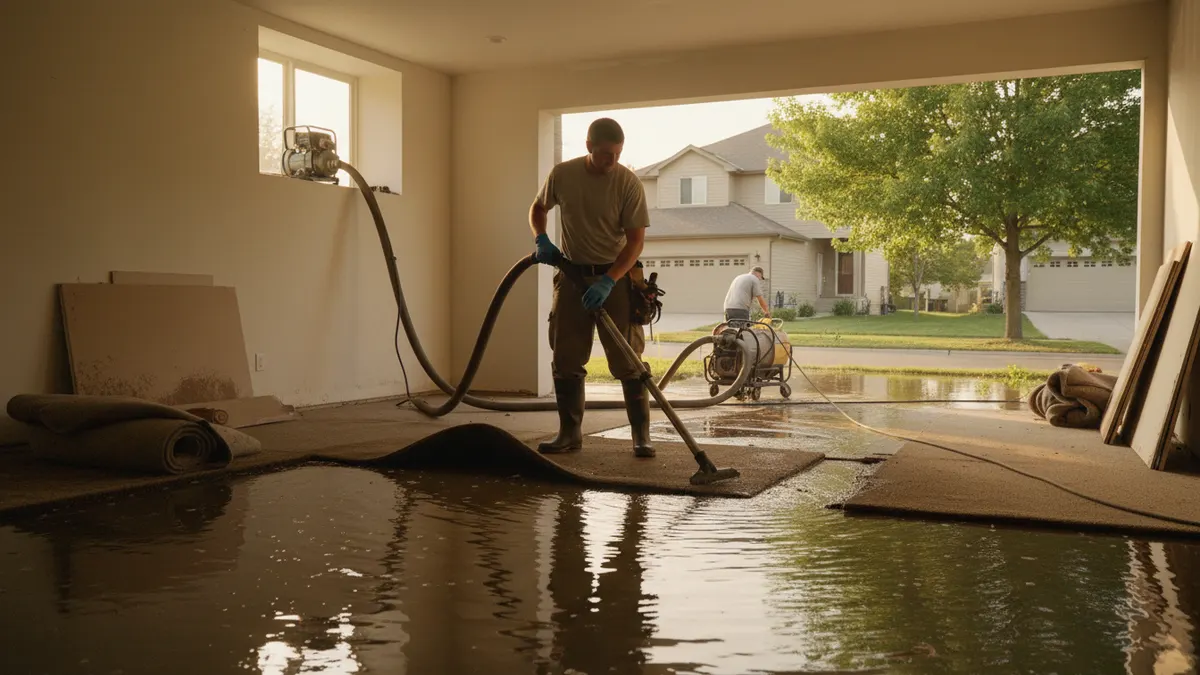
Flooded Basement Cleanup
The city includes Big Lake and Mitchell Lake, so lower levels may need pumping, cleaning, and drying after rain, snowmelt, or groundwater entry.
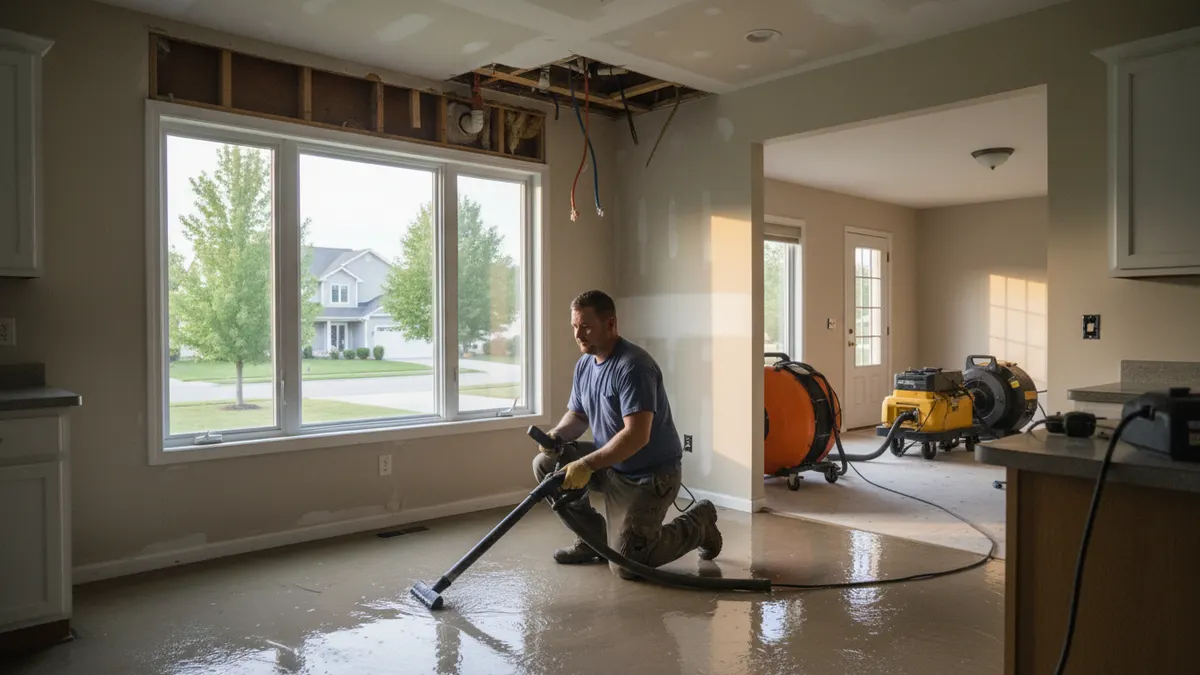
Burst and Frozen Pipe Water Damage
A January average daily low of 3.5°F at the NOAA Elk Rvr station raises the need for cleanup after frozen or burst supply lines.
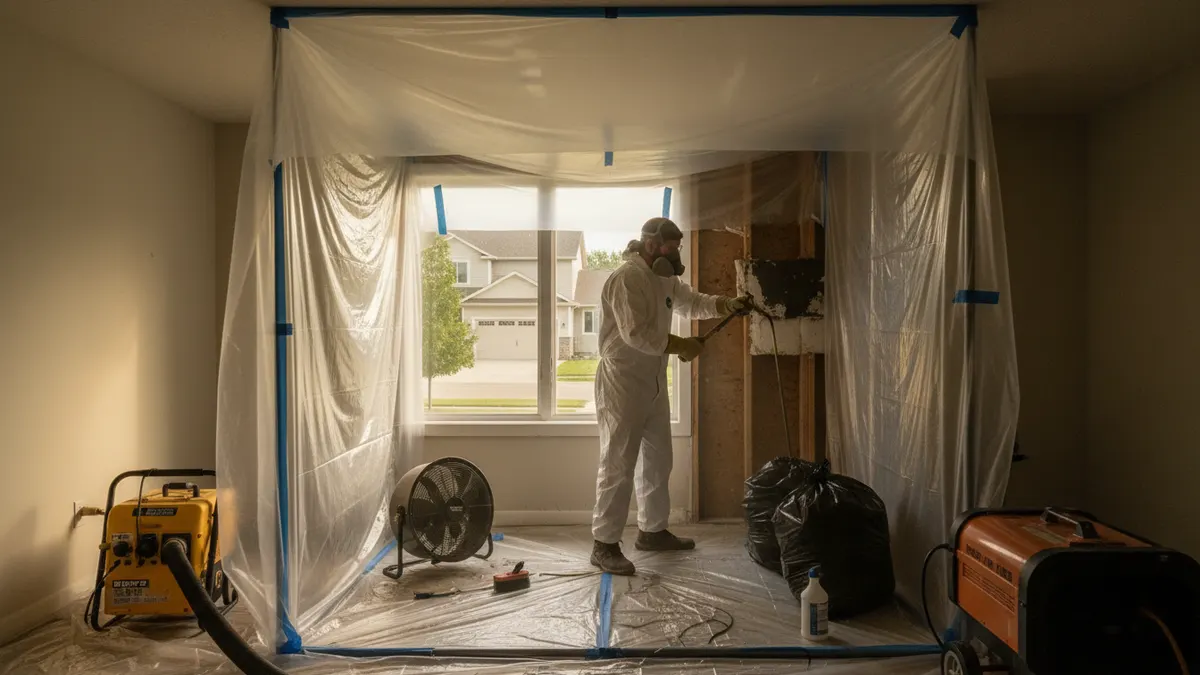
Mold Remediation
Big Lake's annual precipitation normal is 32.89 inches, and lingering moisture after a loss can require containment, filtration, and treatment.
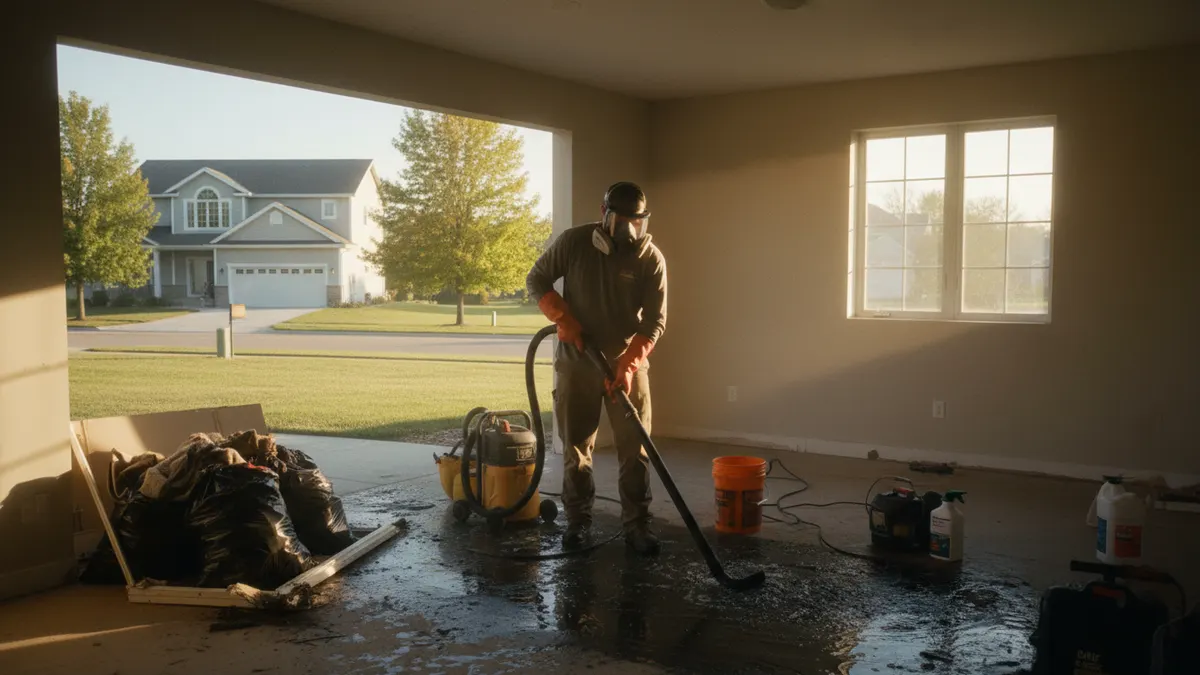
Sewage Backup Cleanup
Big Lake's wastewater collection system has 59.5 miles of pipe and fourteen lift stations, making a contaminated backup a distinct cleanup situation.


Step by step
From Your First Call to Drying Records
We begin with the event at your Big Lake property, then build the scope from inspection findings. The lakes, river setting, and home construction help frame the questions, not replace the measurements.
Step 1
Tell us what occurred
We record the source, affected rooms, and timing, then discuss safe access. If the loss involves sewage or storm water, we plan the appropriate protective steps.
Step 2
Inspect the property
Our technicians examine floors, walls, ceilings, basements, and lower levels. We map moisture and note how the home's construction affects access and drying.
Step 3
Remove water and treat areas
We use extractors or pumps for standing water, clean affected surfaces, and set air movers or dehumidifiers where the readings support them.
Step 4
Verify the drying result
We return to check moisture conditions, adjust equipment, and explain what has been completed. Drying documentation records the measured progress.
What affects the price
What Shapes the Big Lake Work Scope
At the NOAA Elk Rvr station, January average daily lows reach 3.5°F. Cold conditions matter, but our estimate comes from the water category, affected construction, contamination, access, and measured moisture at your home.
Source and water category
A clean overflow, storm entry, frozen supply line, and sewage backup do not receive the same controls. The source determines extraction, cleaning, protection, and disposal needs.
Room and building materials
A basement, crawl space, finished lower level, wall, or ceiling changes how our technicians reach wet areas. Porous finishes may require different handling than framing or other structural materials.
Moisture beyond the visible area
Water can travel outside the first room you notice. Mapping and moisture checks show whether nearby walls, ceilings, floors, or lower-level spaces need equipment and follow-up readings.
Winter access and exposure
A 3.5°F January average daily low at the NOAA Elk Rvr station can affect frozen materials, access, and drying conditions. We account for the actual temperature and property condition during the visit.
Mold or sewage involvement
Mold and sewage require added containment, protective controls, cleaning, and removal of affected porous materials. Those conditions create a different work scope from a clean-water event.
Equipment placement
The number of affected rooms, measured moisture, and material response guide the amount and type of extraction and drying equipment. We set the scope from readings, not a vague promise.
We agree on the scope and the price with you before we start.
Around town
Big Lake Numbers With Job-Specific Meaning
These local figures give our team context before we inspect your property. They do not replace the readings, affected materials, and source details that define the actual work.
32.89 in
Precipitation a year
Annual moisture helps explain why exterior water and lower-level drying deserve close attention.
72.1°F
July average
Summer warmth can change how quickly wet materials and enclosed spaces develop odor or microbial concerns.
86.6%
Owner-occupied homes
Many owner-occupied homes mean our team often works directly with homeowners making drying decisions.
8,174
Heating degree days a year
This heating load helps explain why frozen-line losses are an important winter concern.
Sources: NOAA 1991-2020 climate normals, Elk Rvr station; U.S. Census Bureau, ACS 2023 5-year estimates
Good to know
Big Lake Water Damage Questions
Does the age of my Big Lake home matter?
Yes. Sherburne County's median home build year is 1995, and 26.4% of homes were built before 1980. Materials and assemblies from different periods can respond differently when wet. We use moisture readings and direct inspection to decide what needs extraction, cleaning, removal, or drying at your Big Lake property.
How should I get ready for the visit?
Write down where water appeared, what caused the loss, and whether the source has stopped. Keep children and pets away from affected areas. Do not move heavily wet items unless it is safe. Tell us in advance if the water involved sewage, a frozen line, or a failed appliance line.
Do I need to be home during the visit?
You do not have to remain at the property if our technicians can enter safely and you provide clear instructions. We need access to affected rooms, lower levels, crawl spaces, and other areas with possible moisture. Let us know about pets, locked areas, and safety concerns before the inspection begins.
Do you cover the towns around Big Lake?
We serve Big Lake and Big Lake Township, and our nearby coverage includes Monticello, Becker, Otsego, Albertville, and Elk River. Big Lake is 8.6 miles west of Elk River. When you call, we confirm the property's place and discuss the water conditions so our team arrives prepared for the scope.
Which season keeps you busiest in Big Lake?
Both cold and wet weather can create different calls here. The NOAA Elk Rvr station shows a January average daily low of 3.5°F, while its annual precipitation normal is 32.89 inches. Frozen pipe losses, basement water, storm moisture, and sewage events each require their own inspection and cleaning plan.
Our area
Service Area Around Big Lake
We serve Big Lake and Big Lake Township, with nearby work in Monticello, Becker, Otsego, Albertville, and Elk River. Use the map to locate your street and town, then call our team to discuss the affected property.
Local climate
Big Lake Moisture and Drying Conditions
The NOAA Elk Rvr station is 8.1 miles from Big Lake. Its 1991-2020 normals include 32.89 inches of annual precipitation and a 72.1°F July average, conditions that can affect wet-material drying and basement odor concerns.
A typical year
- January averageLows near 3.5°F
- 13°F
- July averageHighs near 83.4°F
- 72.1°F
- Heating degree daysPer year, base 65°F
- 8,174
- Cooling degree daysPer year, base 65°F
- 569
- PrecipitationRain and melted snow per year
- 32.89 in
- SnowfallAverage per year
- 35.7 in
NOAA 1991-2020 climate normals, Elk Rvr station, 8.1 miles from Big Lake.
This week in Big Lake
Live forecastCall About Your Big Lake Home
Spud Fest and Big Lake's lake history are part of this community. Call our team to inspect your water loss and explain the work your home needs.
Speak with our team
(763) 297-5013Service area
Elk River, MN 55330