


Zimmerman, Sherburne County
Zimmerman Water Damage Help for Cold Homes
We help Zimmerman homeowners with water damage restoration, extraction, basement flooding, pipe losses, mold, and sewage cleanup. NOAA Elk Rvr, 9.4 miles away, provides the local climate normals we use to understand winter drying conditions.
We clean and dry Zimmerman homes, using local winter conditions to guide the work.
- Serving 13 communities in 3 counties
- Call to set up a visit
- Covering 12 ZIP codes around Elk River
Working in Sherburne CountyNowthenBig LakeSt. FrancisOtsegoElk River
- Licensed & InsuredLicensed & Insured
- Satisfaction GuaranteedSatisfaction Guaranteed
- Residential water damage in Elk River and nearby townsResidential water damage
- From Buffalo to St. FrancisFrom Buffalo to St. Francis

Zimmerman, Sherburne County
Zimmerman Homes Need Focused Water Work
Zimmerman's 2,287 housing units have a median build year of 2003, and 15.7% were built before 1980. Cold weather changes how a wet basement, wall, or ceiling dries, especially when the home's heating system is working hard. We start by finding the affected areas with moisture mapping, then remove water and place the equipment the building needs. Our technicians also account for the city sewer system, which uses mains and lift stations that feed the wastewater treatment plant. For homes near Lake Fremont or other lower areas, we separate clean water losses from contaminated water before setting the scope.
- Moisture mapping across affected rooms
- Water removal from lower levels
- Drying with air movers and dehumidifiers
- Cleaning for contaminated water losses
Why people call us
Why Zimmerman Details Matter
July averages at NOAA Elk Rvr show a 72.1°F climate, while Zimmerman homes, roads, and utilities shape how we inspect and contain a loss.
Homes From Different Periods
A 2003 median build year does not tell us which materials are wet. The 15.7% built before 1980 adds another reason to inspect each assembly instead of assuming.
Lake Fremont Nearby
Lake Fremont sits on Zimmerman's eastern boundary. That local setting makes lower-level water entry and damp materials worth checking carefully after storms or seepage.
US 169 Access
US 169 is the main route through Zimmerman. It gives our team a clear approach when equipment and technicians need to reach a wet home.
City Sewer Infrastructure
Zimmerman's Public Works Department operates mains and lift stations leading to the wastewater treatment plant. A sewer backup needs a different cleaning and safety scope.
How we help
Water Services for Zimmerman Homes
Zimmerman's lake setting, city sewer system, cold winters, and mix of housing periods call for different water-loss methods. We inspect the source and materials before choosing the work.
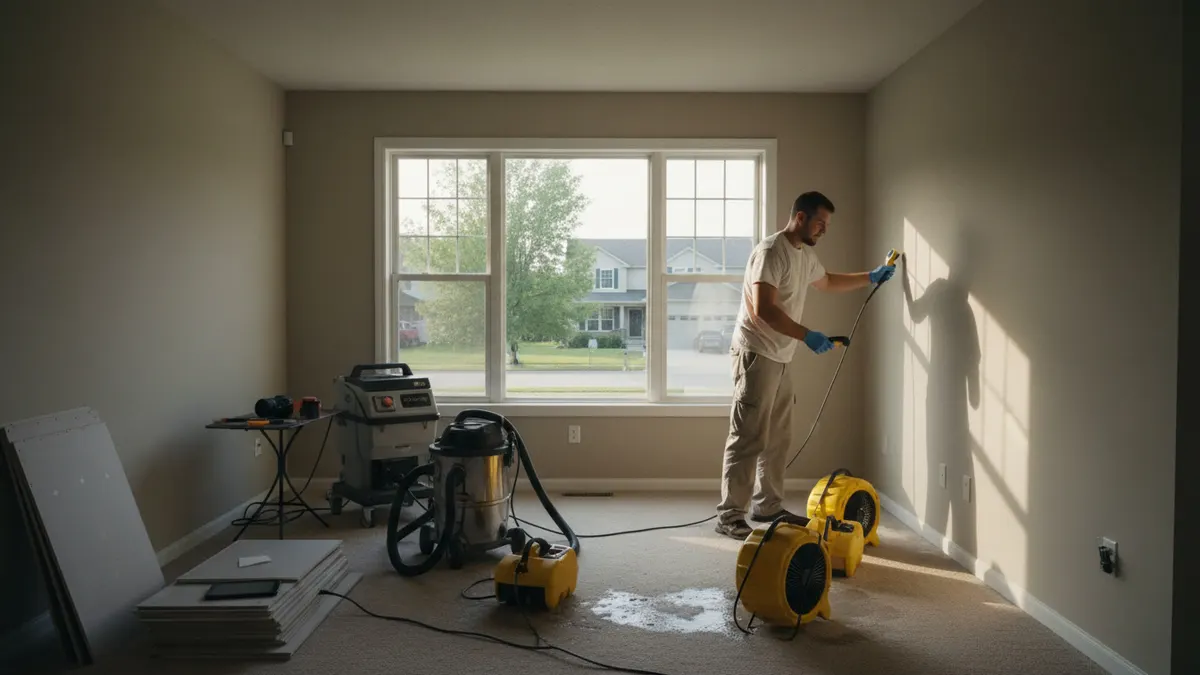
Water Damage Restoration
For Zimmerman homes with leaks, overflows, or storms, we map moisture, remove water, dry structures, and document conditions as work progresses.
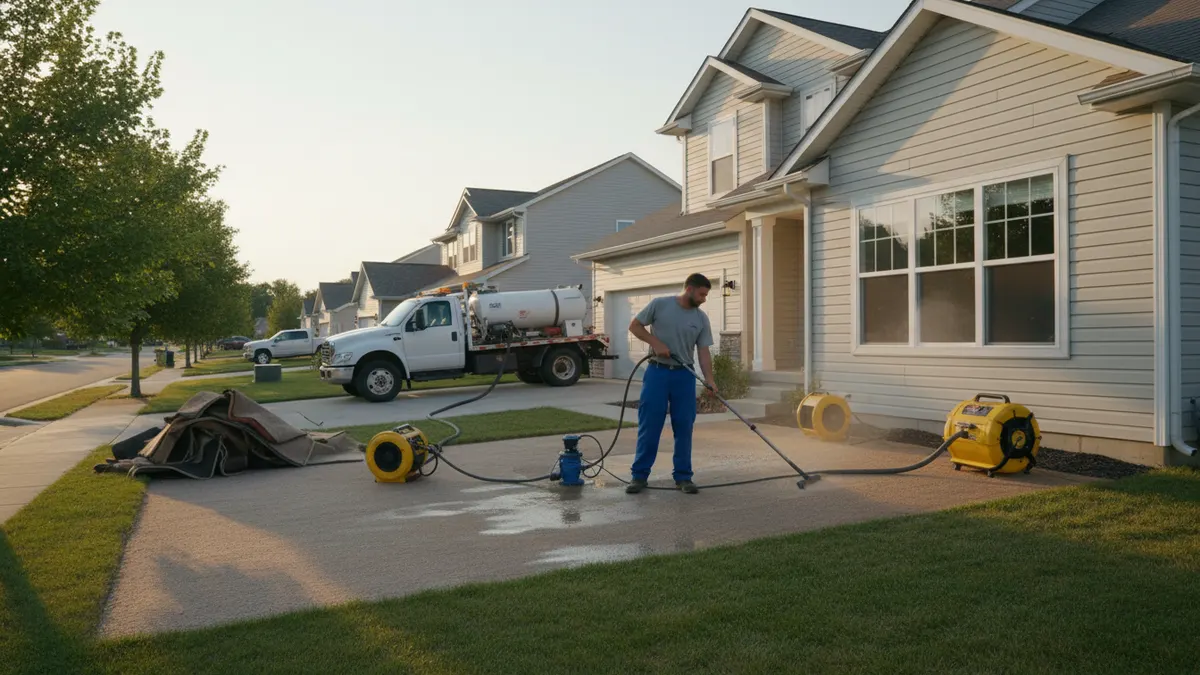
Emergency Water Extraction
When standing water reaches a Zimmerman property, our 24/7 team uses pumps or extractors, including carpet and pad extraction, to begin removal.
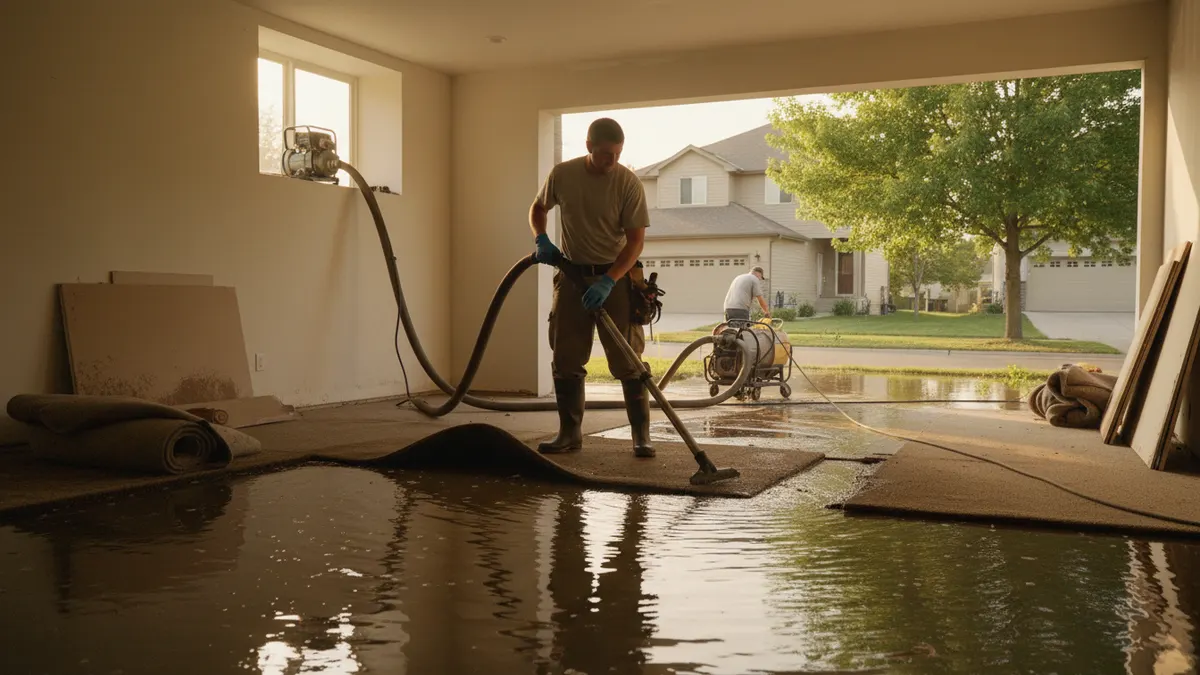
Flooded Basement Cleanup
Lake Fremont borders Zimmerman, and heavy rain or snowmelt can affect lower levels, where we pump water, dry spaces, and address wet finishes.
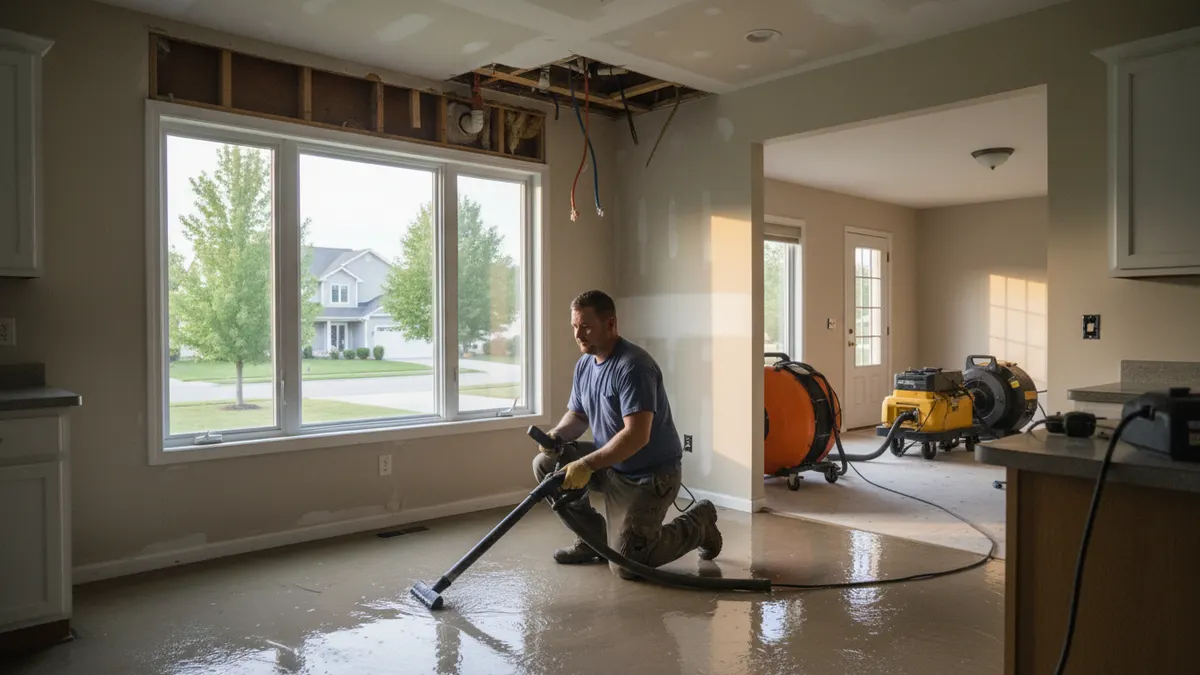
Burst and Frozen Pipe Water Damage
Zimmerman's cold January climate can leave supply lines vulnerable, so we remove water, open wet areas for drying, and check hidden moisture after a pipe loss.
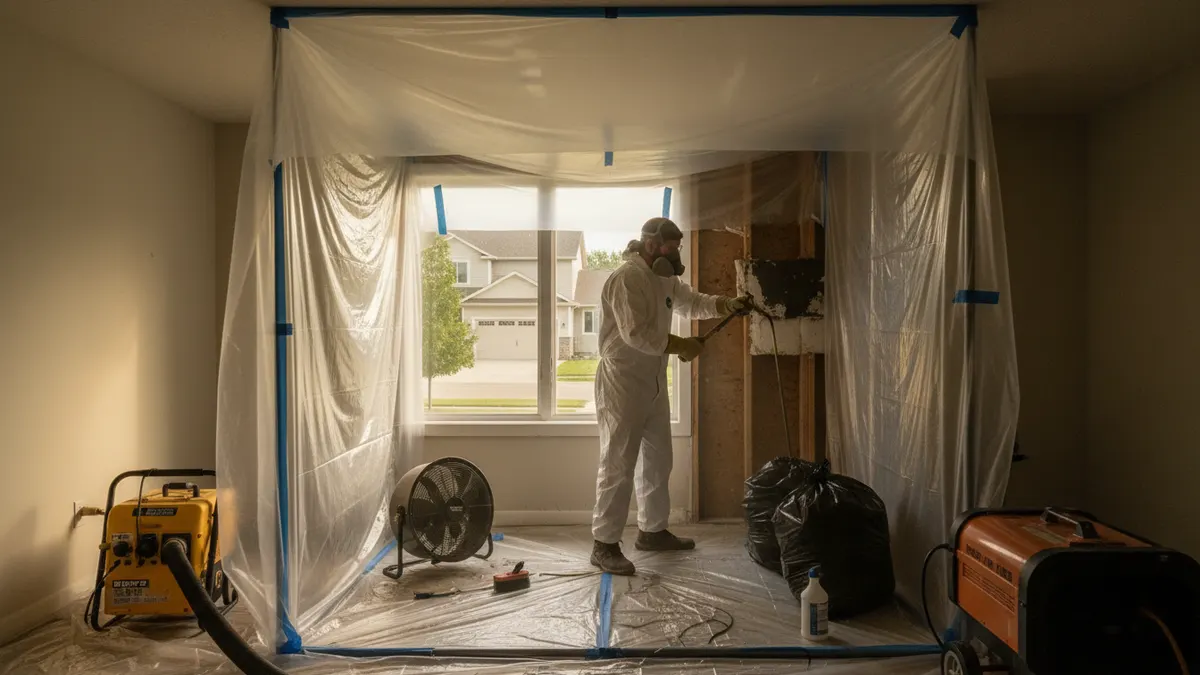
Mold Remediation
In a wet Zimmerman home, we contain mold, filter air with HEPA equipment, treat framing, and remove porous materials that cannot be salvaged.
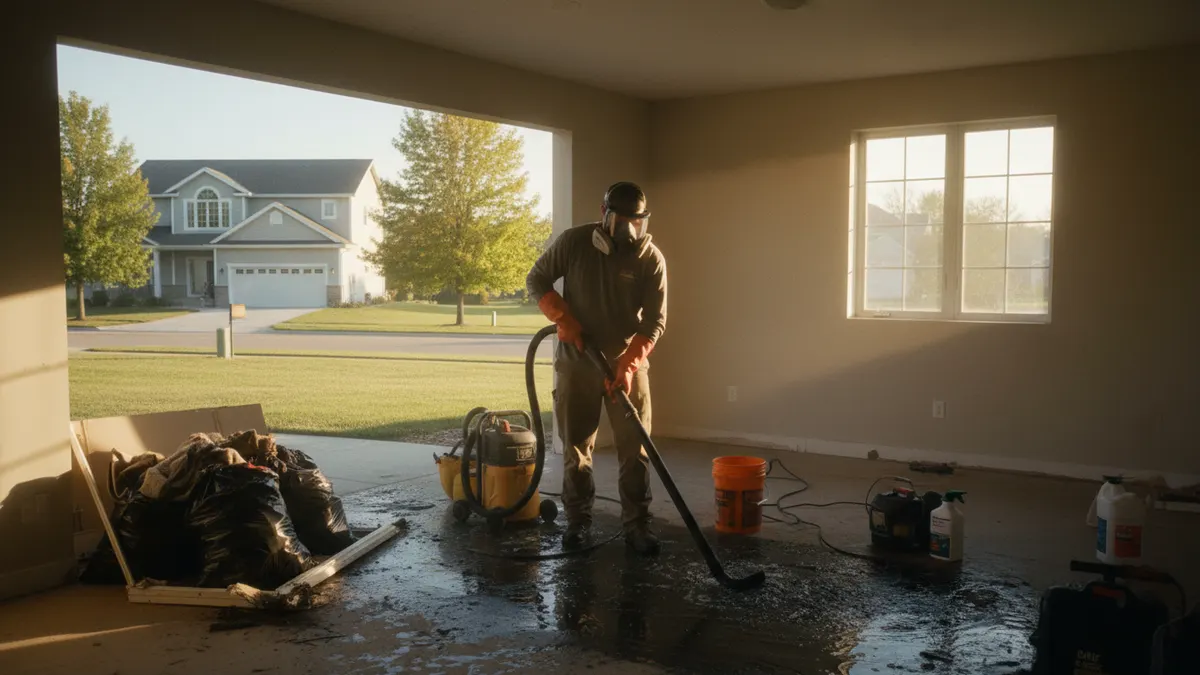
Sewage Backup Cleanup
Zimmerman's mains and lift stations feed the wastewater plant, so a sewer backup requires extraction, contaminated-material removal, disinfection, and controlled drying.


Step by step
Our Zimmerman Water Loss Process
We build the job from what we find inside your home, while the city's roads and sewer layout provide useful local context.
Step 1
Start With the Loss
Tell our team what happened and which rooms show water. We note whether the home is near a lower level, Lake Fremont, or a sewer-related area.
Step 2
Map the Moisture
Our technicians inspect affected materials and record moisture locations. We use readings to separate visible water from moisture that has moved behind surfaces.
Step 3
Remove and Dry
We extract water, clean the affected areas, and set air movers or dehumidifiers where needed. Contaminated water receives the appropriate cleaning process.
Step 4
Confirm the Result
We check moisture again, adjust equipment, and document the drying work. The final scope reflects the Zimmerman home's actual condition, not a preset package.
What affects the price
What Determines the Zimmerman Work Scope
Zimmerman has its own FEMA flood map and NFIP community record, with the current effective map dated November 16, 2011. Those records provide context, while the home's conditions determine the actual scope.
Source and Contamination
A supply-line loss, storm entry, overflow, or sewage backup carries a different cleaning requirement. Category 3 water calls for contamination controls, disinfection, and careful material decisions.
Rooms and Building Areas
Water may stay in a lower level, spread through finished rooms, or enter wall and ceiling cavities. Each location changes the inspection area, access needs, and drying setup.
Materials We Find
We assess porous surfaces and structural materials separately. Some can be cleaned and dried, while others cannot be dried safely, changing handling and removal work.
How Far Moisture Spread
Visible water is only one part of the inspection. Moisture readings show whether surrounding rooms, assemblies, or concealed areas also need mapping and equipment.
Property Access
Zimmerman's homes range from newer construction to houses built before 1980. Layout, stairs, wet-room count, and access for pumps or extractors affect how we organize the job.
We agree on the scope and the price with you before we start.
Around town
Zimmerman Numbers With Job Meaning
These local measurements help us think about cold, moisture, and the housing stock before we inspect your property.
3.5°F
January average low
A 3.5°F January low can slow drying and increase attention to cold-exposed areas.
15.7%
Homes built before 1980
The 15.7% older-home share makes material and assembly checks important.
32.89 in
Precipitation a year
32.89 inches of yearly precipitation adds context for wet basements and storm losses.
72.1°F
July average
A 72.1°F July average supports prompt moisture control during warm-weather losses.
Sources: NOAA 1991-2020 climate normals, Elk Rvr station; U.S. Census Bureau, ACS 2023 5-year estimates
Good to know
Questions About Zimmerman Water Work
How should I get ready for the visit?
Keep paths to the affected rooms open and move small belongings only if you can do so safely. Tell us whether the event involved a leak, overflow, storm, or sewer backup. If contaminated water is present, avoid contact and let our technicians establish the cleaning and safety plan.
Do I need to be home during the visit?
Our team needs access to every affected area and enough room to work safely. Ask us about access arrangements before the visit. Zimmerman homes differ in layout, construction period, and lower-level design, so an on-site look is necessary before we decide what can be dried, cleaned, or removed.
Do you cover communities around Zimmerman?
We travel from Zimmerman to Elk River, Big Lake, Nowthen, St. Francis, and Otsego. Our service area also includes Baldwin Township, Livonia Township, Orrock Township, and Blue Hill Township. The map helps us verify the community and prepare for the property address.
Which season keeps you busiest in Zimmerman?
Cold-weather pipe losses need attention when indoor areas are difficult to dry. The NOAA Elk Rvr station shows a January average temperature of 13°F. Summer brings a different concern, with rain entering basements or lower levels. We base the work on the source, materials, and readings at your home.
What happens when I call?
We begin by documenting the event, the affected rooms, and any immediate safety concern. Our technicians then inspect the property and identify moisture beyond what is visible. Depending on the loss, we remove standing water, begin structural drying, or use the controlled process required for sewage contamination.
Our area
Water Damage Coverage Near Zimmerman
Find your street and town on the map, including nearby Elk River, Big Lake, or St. Francis. We also travel from Zimmerman to Baldwin Township, Livonia Township, Orrock Township, and Blue Hill Township.
Local climate
Zimmerman Moisture and Drying Conditions
NOAA Elk Rvr, 9.4 miles from Zimmerman, records a 32.89-inch annual precipitation normal and a 72.1°F July average for 1991-2020. Those conditions can leave basements and lower levels needing prompt moisture checks after storms.
A typical year
- January averageLows near 3.5°F
- 13°F
- July averageHighs near 83.4°F
- 72.1°F
- Heating degree daysPer year, base 65°F
- 8,174
- Cooling degree daysPer year, base 65°F
- 569
- PrecipitationRain and melted snow per year
- 32.89 in
- SnowfallAverage per year
- 35.7 in
NOAA 1991-2020 climate normals, Elk Rvr station, 9.4 miles from Zimmerman.
This week in Zimmerman
Live forecastScope Your Zimmerman Water Loss
Zimmerman homeowners can call our team to inspect the affected home, explain the work, and set a clear cleanup scope.
Speak with our team
(763) 297-5013Service area
Elk River, MN 55330