


Monticello, Wright County
Monticello Water Damage Help Along I-94
We help Monticello homeowners with water removal, drying, cleaning, mold, and sewage cleanup. The I-94 interchange at Wright County Road 18 gives our team a direct route into town.
We handle Monticello water damage and use the I-94 route from Wright County Road 18.
- Serving 13 communities in 3 counties
- Call to set up a visit
- Covering 12 ZIP codes around Elk River
Working in Wright CountyBig LakeBeckerAlbertvilleSt. MichaelElk River
- Licensed & InsuredLicensed & Insured
- Satisfaction GuaranteedSatisfaction Guaranteed
- Residential water damage in Elk River and nearby townsResidential water damage
- From Buffalo to St. FrancisFrom Buffalo to St. Francis

Monticello, Wright County
Water Damage Service for Monticello Homes
Monticello has 14,607 residents and 5,565 housing units, with owner-occupied homes making up 64.9% of occupied housing. The median home was built in 1997 and has a median owner-occupied value of $298,400. Those details help us set the right drying plan instead of guessing from the room alone. We inspect flooring, walls, ceilings, and concealed spaces, then match extraction, cleaning, containment, and drying to the water source and moisture readings. Our team works in homes near the Mississippi River, the Bertram Chain of Lakes, and the city's sanitary sewer system.
- Moisture mapping for walls and floors
- Water removal with pumps and extractors
- Drying with air movers and dehumidifiers
- Written drying documentation
Why people call us
Why Monticello Details Matter
Monticello High School, city utilities, major roads, and varied water settings all affect how we plan a loss. We use those local conditions to inspect more precisely.
A clear route into town
The 2006 I-94 interchange at Wright County Road 18 gives our technicians a direct way to reach homes across Monticello and Monticello Township.
River and lake awareness
Monticello lies along the Mississippi River, and the Bertram Chain of Lakes includes Bertram, Long, Mud, and First lakes. That setting matters when water enters lower levels.
Utility systems in the scope
The city operates sanitary sewer lift stations and a wastewater treatment facility. We document contamination and moisture when a backup or flood affects those connected areas.
Local homes need tailored drying
With a 1997 median construction year and 64.9% owner occupancy, many residents are protecting finished living space. We base the work on readings, not a vague package.
How we help
Water Services for Monticello Homes
Monticello homes sit along the Mississippi River and near the Bertram Chain of Lakes, while winter cold and city sewer infrastructure create different cleanup conditions. We match each service to the loss we find.
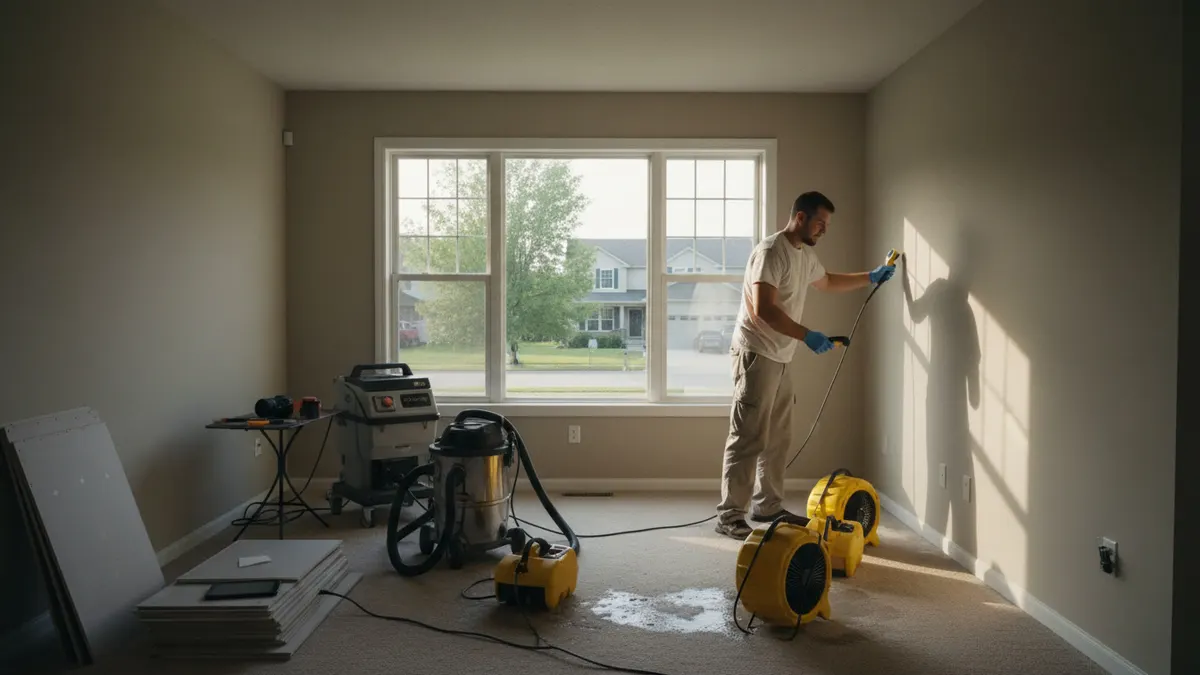
Water Damage Restoration
For homes near the Mississippi River and Bertram Chain of Lakes, we inspect, extract, clean, dry, and document moisture after water enters.
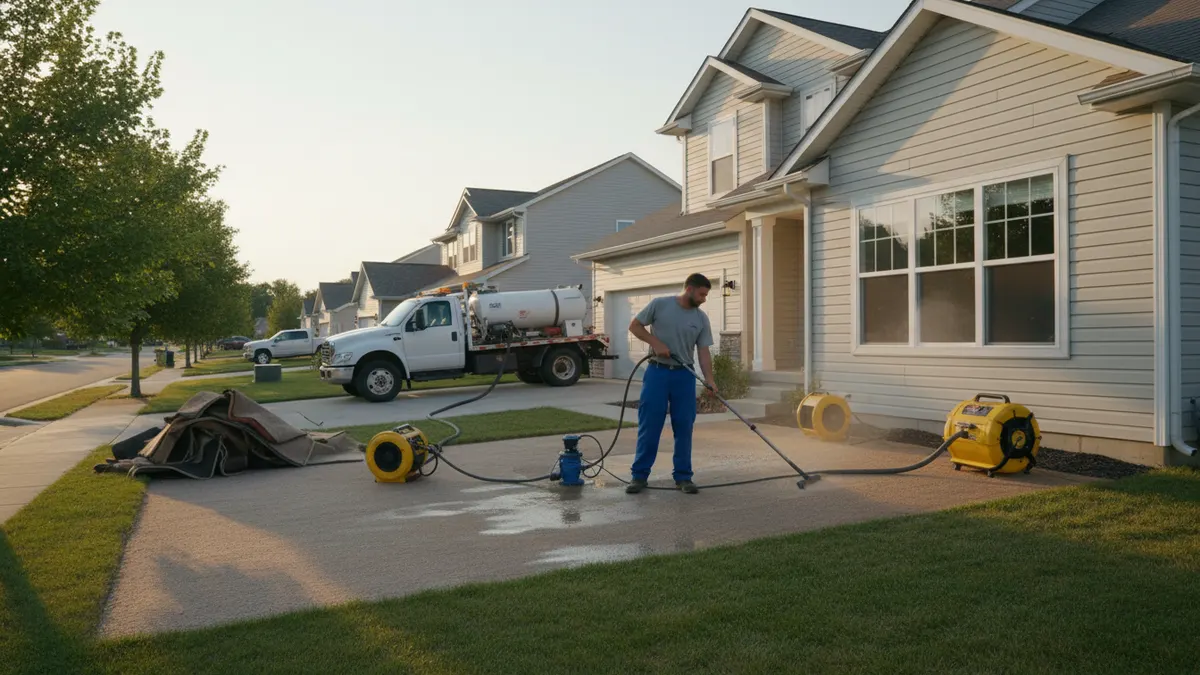
Emergency Water Extraction
When heavy rain or a sudden interior loss leaves water standing, we provide 24/7 extraction and set equipment for Monticello homes.
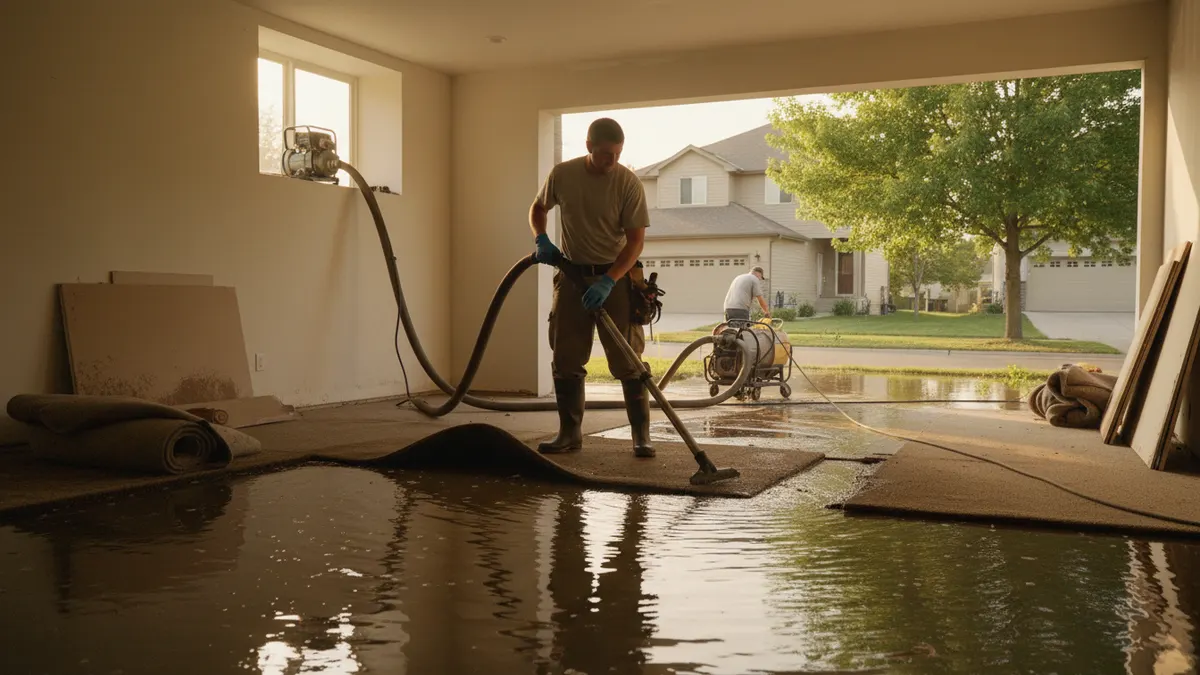
Flooded Basement Cleanup
Monticello's river setting and floodplain areas can affect lower levels, so we pump, clean, disinfect, and dry basements after water intrusion.

Burst and Frozen Pipe Water Damage
January temperatures average 12°F at NOAA Buffalo 2NE, making frozen supply lines, appliance lines, and water heater leaks a concern for home interiors.
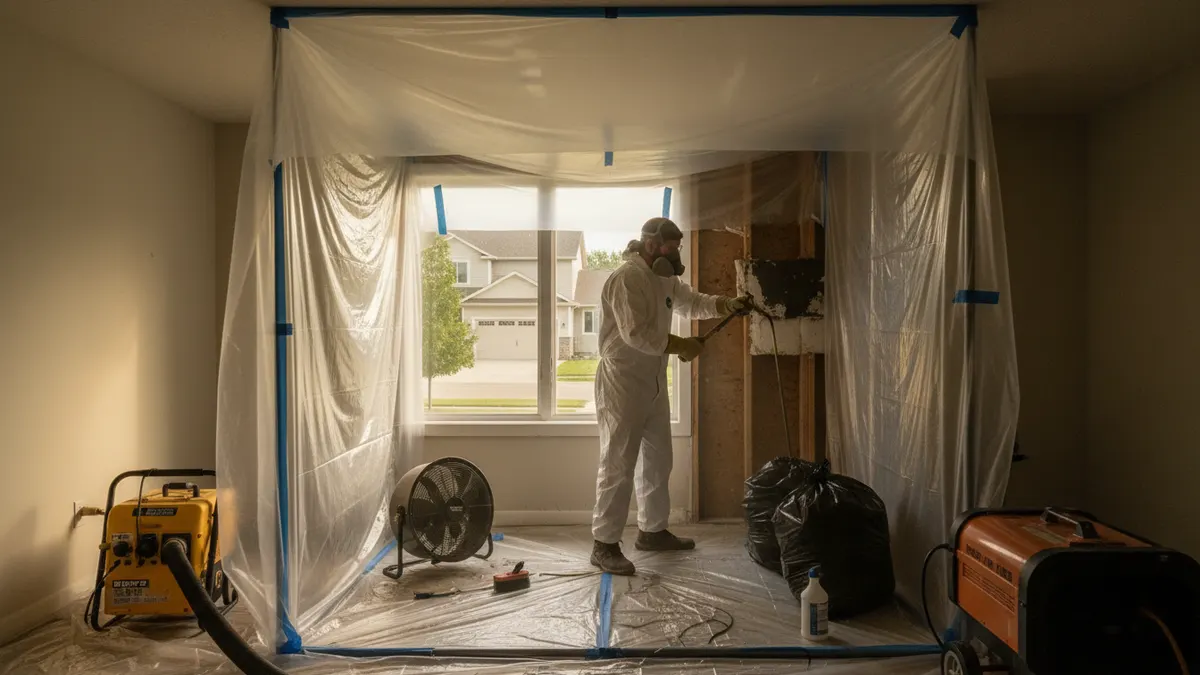
Mold Remediation
A wet home needs prompt mold control, especially where concealed moisture remains in older assemblies or rooms affected by prior water damage.
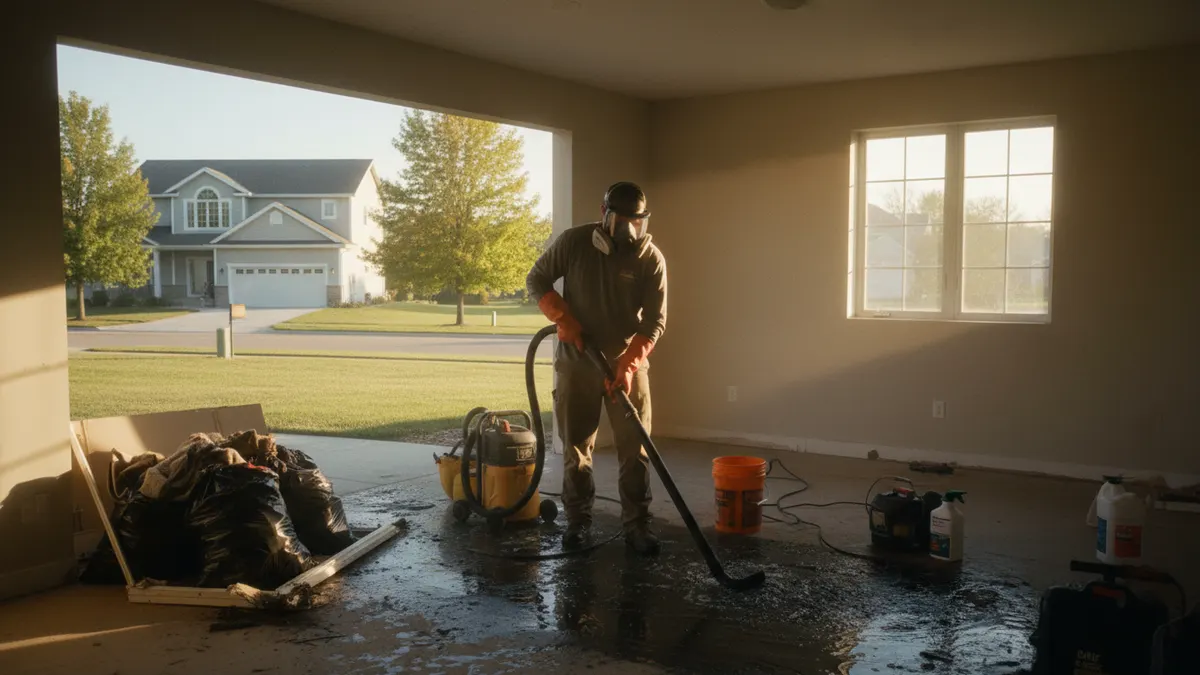
Sewage Backup Cleanup
Monticello operates lift stations and a wastewater treatment facility, so contaminated backups require extraction, disinfection, drying, and careful material removal.


Step by step
Our Monticello Service Process
Monticello houses range from newer construction to homes built before 1980. We build the work from the event, the affected rooms, and moisture readings, then keep the scope visible as conditions change.
Step 1
Tell us what happened
We ask about the source, timing, affected rooms, and possible contamination. If the loss involves a Monticello lower level, river conditions, or a city sewer backup, we note that context before visiting.
Step 2
Inspect and measure
Our team checks visible and concealed moisture, identifies affected materials, and maps the spread. We also consider access, finished areas, and the difference between clean water and contaminated water.
Step 3
Extract, clean, and dry
We remove standing water with suitable equipment, clean or disinfect affected surfaces, and place air movers or dehumidifiers where readings support them. Wet materials that cannot be dried are removed.
Step 4
Verify the finished drying
We return for moisture checks, adjust equipment as needed, and document the drying conditions. The final scope reflects what the Monticello home required, not a preset package.
What affects the price
What Shapes the Monticello Work Scope
Homes built before 1980 account for 18.6% of Monticello housing. That history can affect access and concealed moisture, but the actual scope follows the loss inside your home.
Where the water came from
A supply-line loss, storm entry, groundwater event, or sewage backup brings different safety, cleaning, and disinfection requirements. The source sets the starting scope.
How far moisture traveled
Water may move beyond the visible area through connected rooms, walls, ceilings, or lower levels. Our readings show how much extraction and drying the home needs.
What materials were affected
Carpet, pad, framing, wall cavities, ceilings, and finished materials retain water differently. We assess what can be dried and what requires removal.
Construction and concealed spaces
With 18.6% of homes built before 1980, some Monticello properties may have older assemblies or harder-to-reach areas. Those conditions can add inspection and monitoring work.
River and floodplain exposure
Monticello lies along the Mississippi River, and River Terrace Park and Campground is susceptible to flooding. Floodwater can increase extraction, cleaning, disinfection, and drying needs.
Entry and equipment needs
Basement layout, standing-water depth, carpet coverage, and access determine whether we use portable or truck-mounted extractors, submersible pumps, or additional drying equipment.
We agree on the scope and the price with you before we start.
Around town
Monticello Numbers We Use in Context
These figures do not replace an inspection. They explain why moisture exposure, equipment selection, and home access can vary across Monticello.
18.6%
Homes built before 1980
Older construction can mean more concealed spaces and careful material-by-material drying.
31.74 in
Precipitation a year
Annual precipitation helps explain recurring wet-weather pressure on basements and lower levels.
532
Cooling degree days a year
Cooling demand shows why summer moisture control still matters after water enters a home.
5,565
Housing units
A large housing base means water-loss conditions vary from one Monticello property to another.
Sources: U.S. Census Bureau, ACS 2023 5-year estimates; NOAA 1991-2020 climate normals, Buffalo 2NE station
Good to know
Questions About Monticello Water Work
Can I leave during the service visit?
You can leave if we have safe entry and your instructions. Tell us which rooms concern you and how our team should enter. We inspect the source, affected materials, and moisture before choosing extraction, cleaning, disinfection, or drying steps for your Monticello home.
Which nearby communities do you serve?
We serve Monticello and Monticello Township, plus Big Lake, Becker, Albertville, St. Michael, and Buffalo. Our team uses the I-94 access from Wright County Road 18 when it fits the property location. The home address and site conditions guide the final travel and work plan.
When are water calls most common in Monticello?
Monticello sees several kinds of water problems across the year. The NOAA Buffalo 2NE station records 31.74 inches of annual precipitation and 39.8 inches of snow, while its January average is 12°F. Rain, snowmelt, frozen lines, and river conditions each call for a different inspection.
What do you do after I contact the team?
We first learn what happened, where water reached, and whether contamination is possible. At the home, we inspect affected areas, take moisture readings, explain the proposed work, extract water when needed, and set drying equipment. Follow-up readings show when the affected materials have dried.
What can change the cost of water damage work?
The work changes with the water source, contamination, rooms involved, material type, moisture spread, access, and equipment needs. Sewage requires different cleaning from a clean supply loss. A lower level near the Mississippi River or floodplain areas may also need added extraction, disinfection, and drying.
Our area
Find Your Monticello Service Area
Use the map to locate your street and see nearby coverage. We reach Monticello Township and neighboring communities including Big Lake, Becker, and Albertville, with Monticello 11.5 miles west-southwest of Elk River.
Local climate
Monticello Drying in Local Weather
NOAA Buffalo 2NE is 7.3 miles from Monticello. Its normals show 31.74 inches of annual precipitation and a 12°F January average, conditions that make prompt moisture removal important after rain, snowmelt, or frozen-line losses.
A typical year
- January averageLows near 2.7°F
- 12°F
- July averageHighs near 80.9°F
- 71°F
- Heating degree daysPer year, base 65°F
- 8,211
- Cooling degree daysPer year, base 65°F
- 532
- PrecipitationRain and melted snow per year
- 31.74 in
- SnowfallAverage per year
- 39.8 in
NOAA 1991-2020 climate normals, Buffalo 2NE station, 7.3 miles from Monticello.
This week in Monticello
Live forecastGet Monticello Water Damage Scoped
January averages 12°F at the NOAA Buffalo 2NE station, so call our team when winter water reaches your Monticello home.
Speak with our team
(763) 297-5013Service area
Elk River, MN 55330