


Elk River, MN
Elk River Water Damage Restoration
Homes with a 1995 median build year can hide moisture in finished spaces, walls, and lower levels. We handle leaks, overflows, storms, sewage events, and related drying work in Elk River and nearby communities.
We dry Elk River homes after leaks, storms, overflows, and sewage events.
- Serving 13 communities in 3 counties
- Call to set up a visit
- Covering 12 ZIP codes around Elk River
Working in Sherburne CountyWright CountyAnoka County
- Licensed & InsuredLicensed & Insured
- Satisfaction GuaranteedSatisfaction Guaranteed
- Residential water damage in Elk River and nearby townsResidential water damage
- From Buffalo to St. FrancisFrom Buffalo to St. Francis

Elk River, MN
Water Cleanup Based on the House
Elk River grew from a village platted in 1865 and later became a 44-square-mile city. That setting includes homes near the Elk River, Lake Orono, and the Mississippi River, along with basements, crawl spaces, finished rooms, and different building materials. Our technicians inspect the affected areas, identify moisture that is not visible, remove water when needed, clean contaminated surfaces, and set drying equipment according to the readings. We serve Elk River first, then travel through Sherburne County, Anoka County, and Wright County, including Big Lake, Zimmerman, Ramsey, Buffalo, Monticello, and St. Michael.
- Moisture checks beyond visible staining
- Standing-water extraction when needed
- Cleaning for contaminated water
- Drying records for the affected areas
Why people call us
Reasons We Scope the Work Carefully
Elk River homes face a January average of 13°F at the nearby NOAA station, while river and lower-level conditions add other questions during an inspection.
Cold can hide wet areas
Winter water events may leave moisture behind walls, ceilings, or insulation. We use readings to decide where drying equipment belongs.
River settings affect the source
The Mississippi borders Elk River, and the Elk River reaches Lake Orono before joining it. Source and water category guide the cleanup method.
Each house gets its own scope
Elk River has 10,114 housing units and an 80% owner-occupied share. We inspect the actual rooms and materials instead of applying one plan to every home.
Readings support the finish
We compare moisture readings as work progresses and keep drying documentation. Homeowners can see how the affected areas changed.
Sewage needs separate handling
A sewage backup is Category 3 water. We use containment, removal, disinfection, and drying steps for contaminated areas.
We travel beyond the city
Our service area includes communities in Sherburne County, Anoka County, and Wright County, along with listed townships and communities around Elk River.
How we help
Water Damage Services for Local Homes
A home near Lake Orono, the Mississippi River, or a township road may need a different cleanup plan than a localized interior loss. We match the work to the source, materials, and moisture readings.
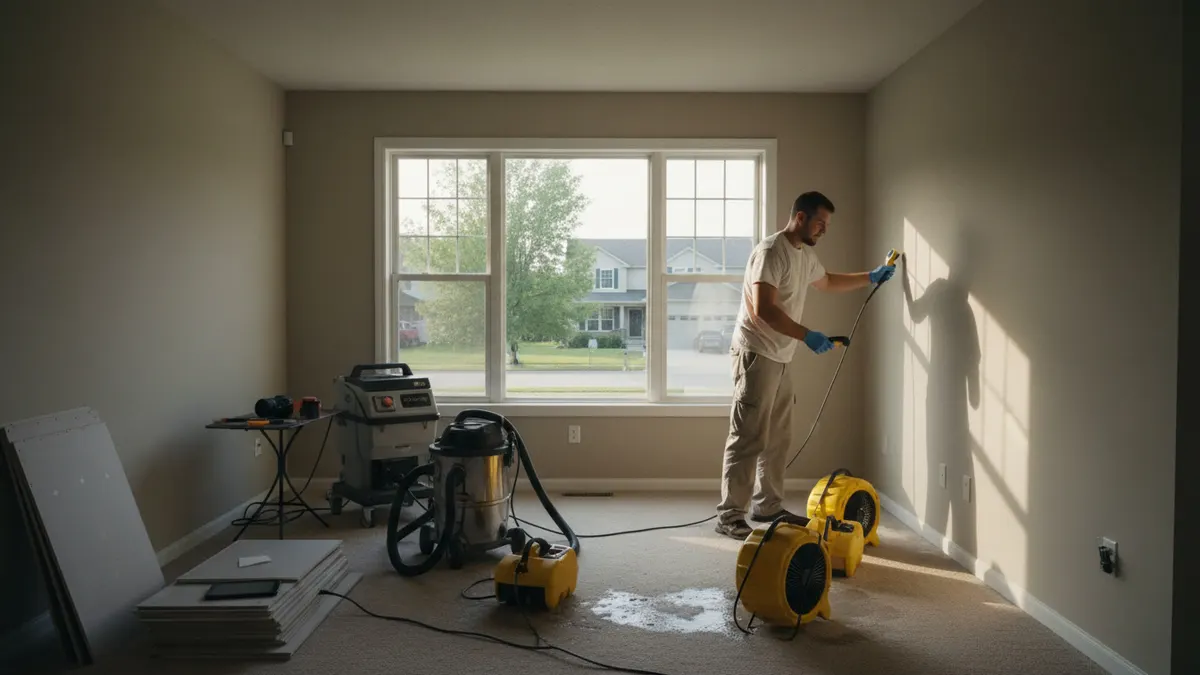
Water Damage Restoration
We assess leaks, overflows, and storm losses, then remove water, clean surfaces, dry the structure, and record readings for local homes.
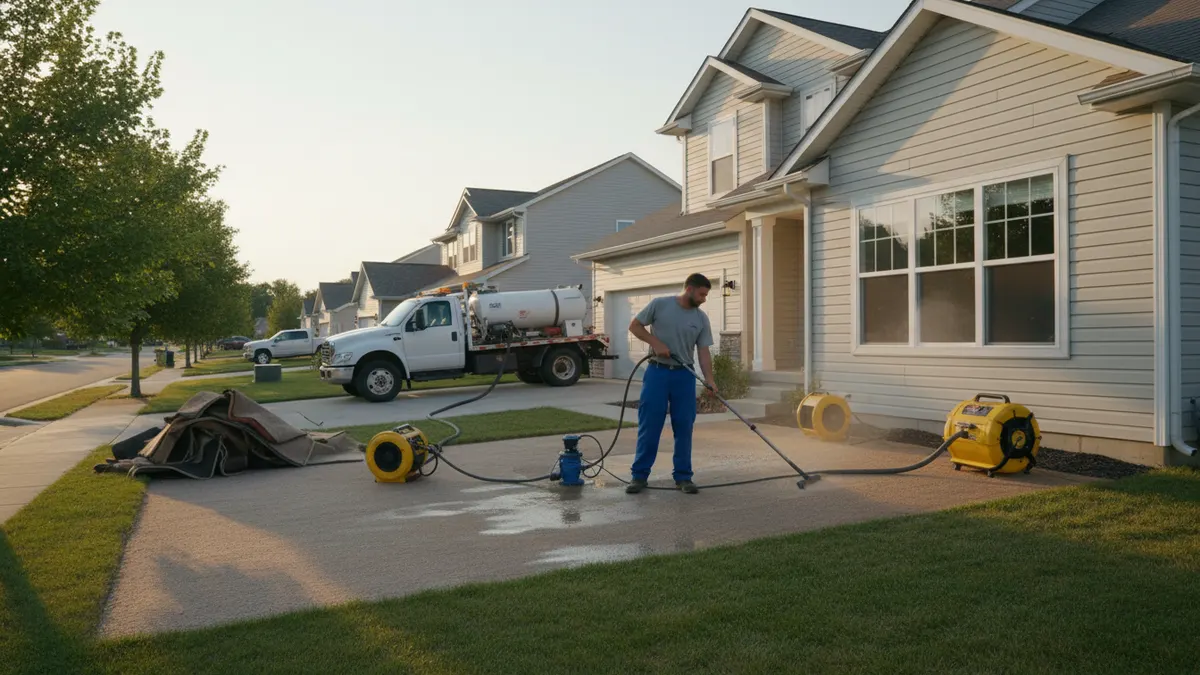
Emergency Water Extraction
We remove standing water the same day with extractors or pumps, then begin equipment setup for homes affected by sudden water events.
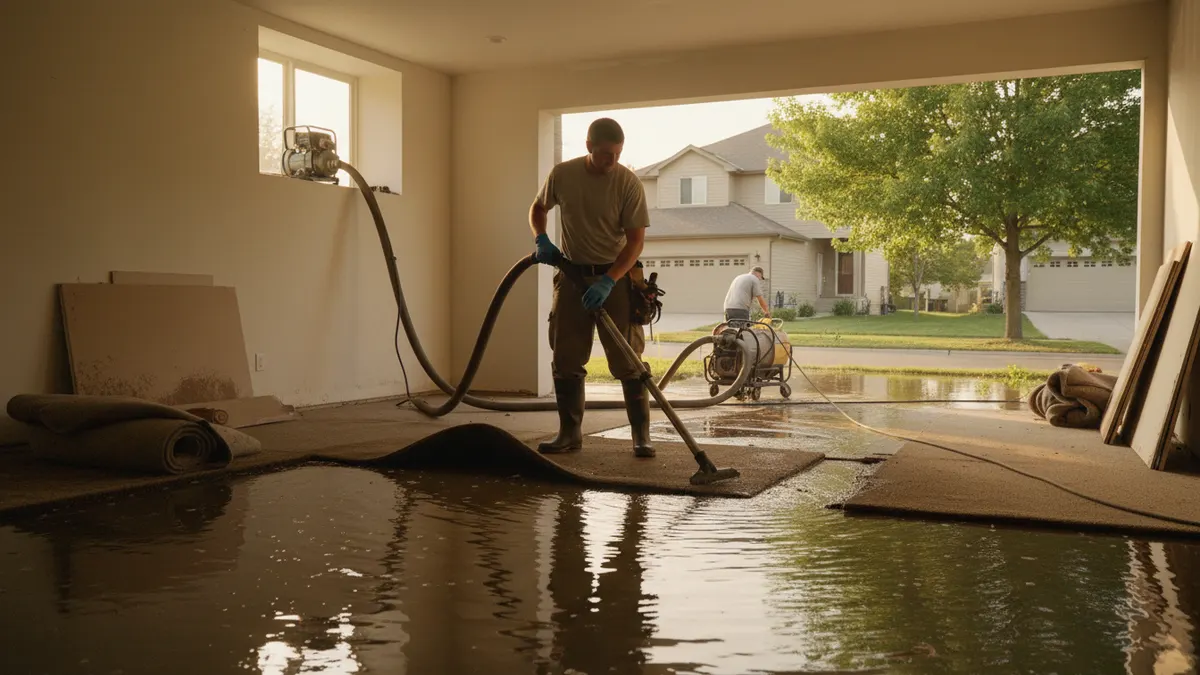
Flooded Basement Cleanup
We pump and dry lower levels after rain, snowmelt, groundwater seepage, or sump failure, with added care for finished basement materials.

Burst and Frozen Pipe Water Damage
We clean and dry spaces after frozen or burst supply pipes, water heater leaks, or appliance line failures, including moisture checks inside walls.
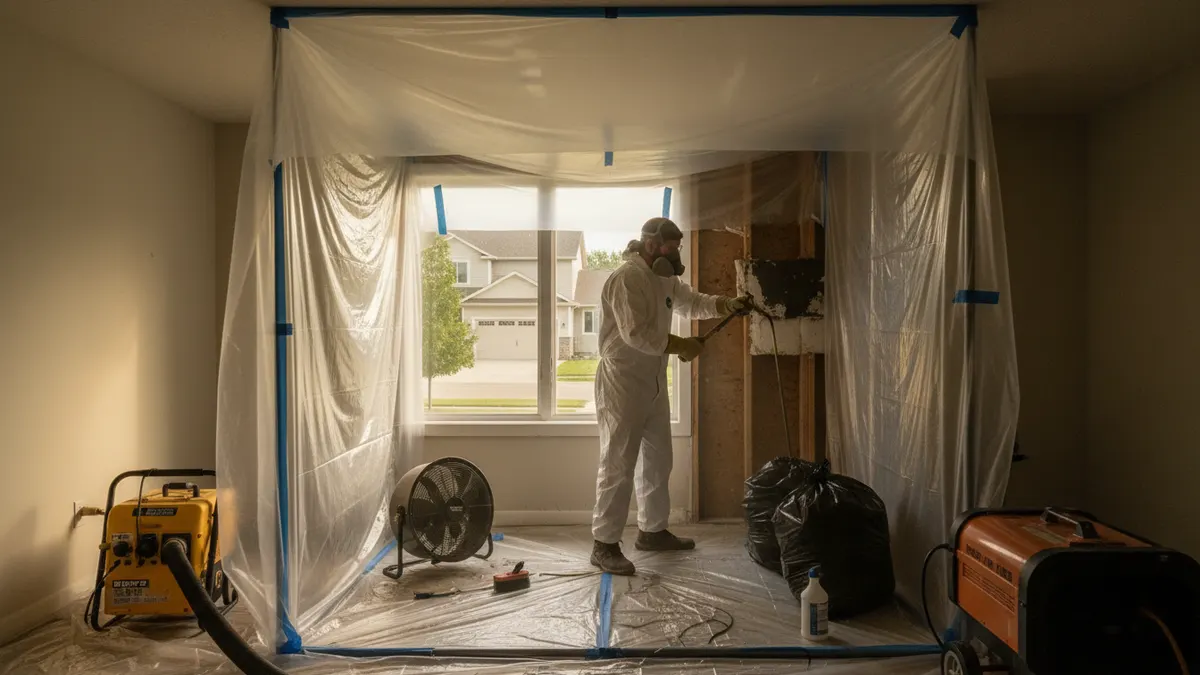
Mold Remediation
We contain and treat mold that followed water damage, remove affected porous materials, filter air, and dry framing to limit regrowth.
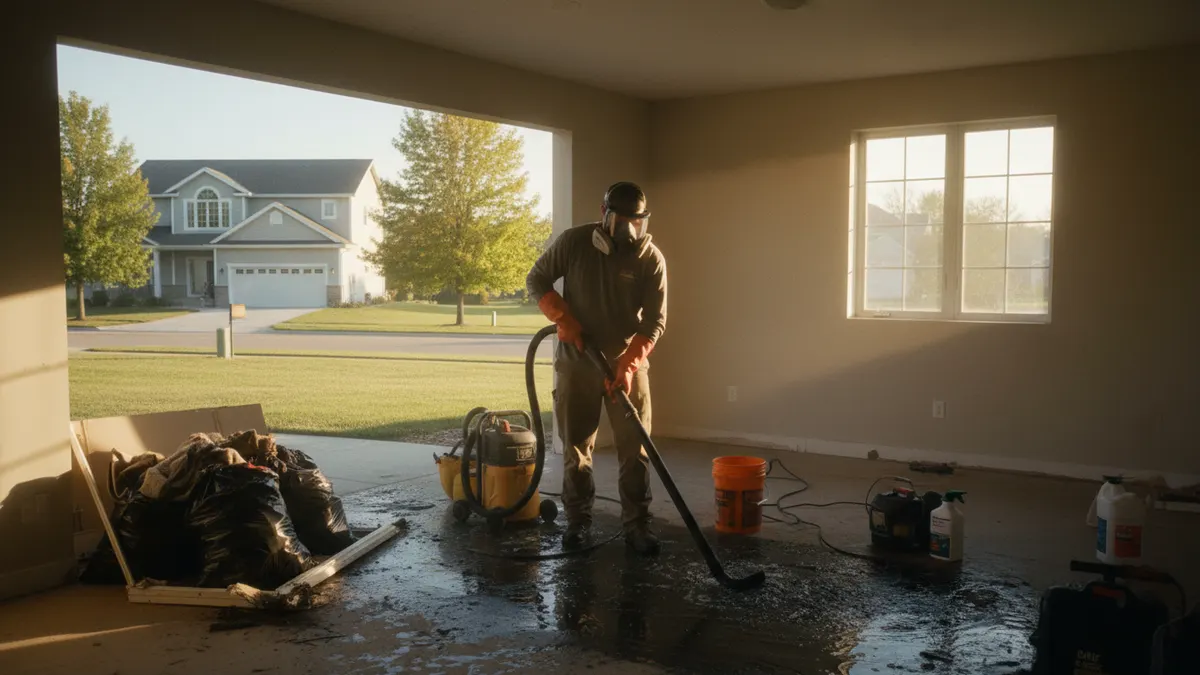
Sewage Backup Cleanup
We address Category 3 sewage and drain backups with extraction, contaminated-material removal, disinfection, and drying suited to the affected rooms.


Step by step
From the First Call to Dry Materials
Houses along US 10, US 169, and MN 101 can have very different layouts. We use the first conversation and the on-site findings to define the work.
Step 1
Tell us what happened
We ask where water is present, what caused the event, and whether it followed rain, snowmelt, a pipe failure, or sewage. We also note affected rooms.
Step 2
Inspect and map moisture
Our technicians check visible and concealed areas, identify materials, and record moisture conditions. Homes near Lake Orono or lower levels may need broader source and contamination review.
Step 3
Remove, clean, and dry
We extract standing water when applicable, remove materials that cannot be dried safely, clean affected surfaces, and place air movers or dehumidifiers where readings call for them.
Step 4
Verify the completed work
We return to the affected areas, compare readings, and explain what was dried, cleaned, or removed. Drying documentation records the condition of the job.
What affects the price
What Determines the Cleanup Scope
A July average of 72.1°F at the NOAA Elk Rvr station does not set the job scope. The water event, house layout, and materials do.
How far water traveled
Water across several rooms needs more inspection and extraction than a confined release. We follow the wet path rather than judging the job from one stain.
The lower level layout
Basements, crawl spaces, finished rooms, carpet, and pads each create different access and drying needs.
The kind of water involved
A supply release, storm event, groundwater entry, and Category 3 backup require different cleaning, removal, and disinfection steps.
Moisture inside assemblies
Water behind walls, above ceilings, or in insulation requires added checks and may require controlled access for drying.
Porous materials affected
Materials that cannot be cleaned or dried safely may need removal. The amount and location change the mitigation scope.
Obstacles inside the home
Stored belongings, tight access, finished surfaces, and active water can change equipment placement and the work sequence.
We agree on the scope and the price with you before we start.
Around town
Elk River Conditions in Four Numbers
The local housing stock, population, rainfall, and summer conditions give context for water cleanup decisions in Elk River.
1995
Median year built
A 1995 median build year means homes can have varied assemblies, finishes, and moisture pathways.
32.89 in
Precipitation a year
The NOAA station records 32.89 inches yearly, giving rain events local context for water entry.
72.1°F
July average
A 72.1°F July average helps explain seasonal drying conditions, but readings still control the plan.
26,367
Residents (Census estimate)
Elk River's 26,367 residents live across a substantial housing market we serve directly.
Sources: U.S. Census Bureau, ACS 2023 5-year estimates; NOAA 1991-2020 climate normals
Good to know
Questions Elk River Homeowners Ask
What happens when I call?
We begin with the event itself: where water appeared, what caused it, and whether contamination may be present. At the property, we inspect, map moisture, explain the mitigation scope, remove standing water when appropriate, and set equipment based on the materials and readings.
What affects the price of the work in Elk River?
The work changes with the water path, affected rooms, materials, contamination level, access, and hidden moisture. A lower-level flood may need pumping and drying, while a sewage event adds removal and disinfection. We inspect those conditions before defining the scope.
Does the age of my Elk River home matter?
The local median build year is 1995, but the number does not tell us how a particular home was built. We check the actual walls, ceilings, finishes, and lower levels. The moisture readings and materials guide our drying decisions.
How should I get ready for the visit?
If safe, keep people away from contaminated water and move small belongings from affected areas. Tell us what happened and where water traveled. Avoid discarding damaged materials before conditions are documented. If another service professional controls the source, share what was done.
Do I need to be home during the visit?
We explain access before starting. Someone should provide entry and discuss affected rooms when decisions are needed on site. In an occupied house, we also review equipment locations and the areas that must stay clear during drying.
Can you help when a summer storm floods part of my Elk River home?
Yes. A heavy summer storm can overwhelm window wells and send water into basements and finished lower levels, and spring snowmelt does the same along the Mississippi. We pump out the standing water, measure how far it wicked into carpet, walls and framing, and run air movers and dehumidifiers until the readings show the structure is dry.
Our area
Check Coverage Around Elk River
Use the service-area map to find your town and confirm coverage. We travel from Elk River through Sherburne County, Anoka County, and Wright County, including Big Lake, Becker, Ramsey, Buffalo, and Monticello.
Call Us to Scope the Water Loss
Sherburne County has 5 FEMA major disaster declarations involving flooding and storms. Call our Elk River team to discuss the water damage at your home.
Speak with our team
(763) 297-5013Service area
Elk River, MN 55330