


St. Francis, Anoka County
St. Francis Water Damage Service for Older Homes
We handle water damage cleanup for St. Francis homeowners, from extraction and drying to mold and sewage cleanup. Anoka County has 41.2% of homes built before 1980, so hidden moisture can involve older materials and assemblies.
We clean and dry St. Francis homes, including older properties where moisture may hide.
- Serving 13 communities in 3 counties
- Call to set up a visit
- Covering 12 ZIP codes around Elk River
- Licensed & InsuredLicensed & Insured
- Satisfaction GuaranteedSatisfaction Guaranteed
- Residential water damage in Elk River and nearby townsResidential water damage
- From Buffalo to St. FrancisFrom Buffalo to St. Francis

St. Francis, Anoka County
Water Damage Work for St. Francis Homes
The Rum River runs through St. Francis on its 151-mile course from Mille Lacs Lake to the Mississippi at Anoka. That setting, along with Seelye Brook and nearby Lake George, makes careful water assessment important when rain, river water, or seepage reaches a home. St. Francis has 2,893 housing units, and 81.2% of occupied homes are owner-occupied. Our technicians inspect the source, map moisture, remove affected water, and document drying. We also account for the city’s municipal sanitary sewer and water service when evaluating a loss. The goal is a clear scope based on readings and materials, not a vague promise.
- Moisture mapping around Rum River homes
- Drying plans for older materials
- Municipal water and sewer context
- Documented readings before completion
Why people call us
Why St. Francis Details Matter
The local water setting, winter load, and municipal systems change what our technicians look for during a St. Francis inspection.
Rum River exposure
The Rum River crosses St. Francis, and FEMA identifies the city as its own NFIP community. We examine water entry and affected materials before setting the scope.
Older county housing
Anoka County’s older housing share means hidden cavities and dated materials may need closer moisture checks. We use readings to identify where drying must continue.
Road and creek access
MN 47 and Ambassador Boulevard are main routes through the city. Seelye Brook culverts were replaced to prevent flooding, giving our team useful local context for access and water movement.
City utility context
St. Francis has municipal sanitary sewer and water service. We document whether the loss involves a household fixture, a backup, or water entering from outside.
How we help
Water Services for St. Francis Homes
St. Francis homes near the Rum River, Seelye Brook, and Lake George can face different water conditions. We match inspection, extraction, cleaning, and drying work to the source and the materials affected.

Water Damage Restoration
We inspect and dry St. Francis homes affected by Rum River conditions, Seelye Brook flooding, leaks, or municipal water and sewer losses.
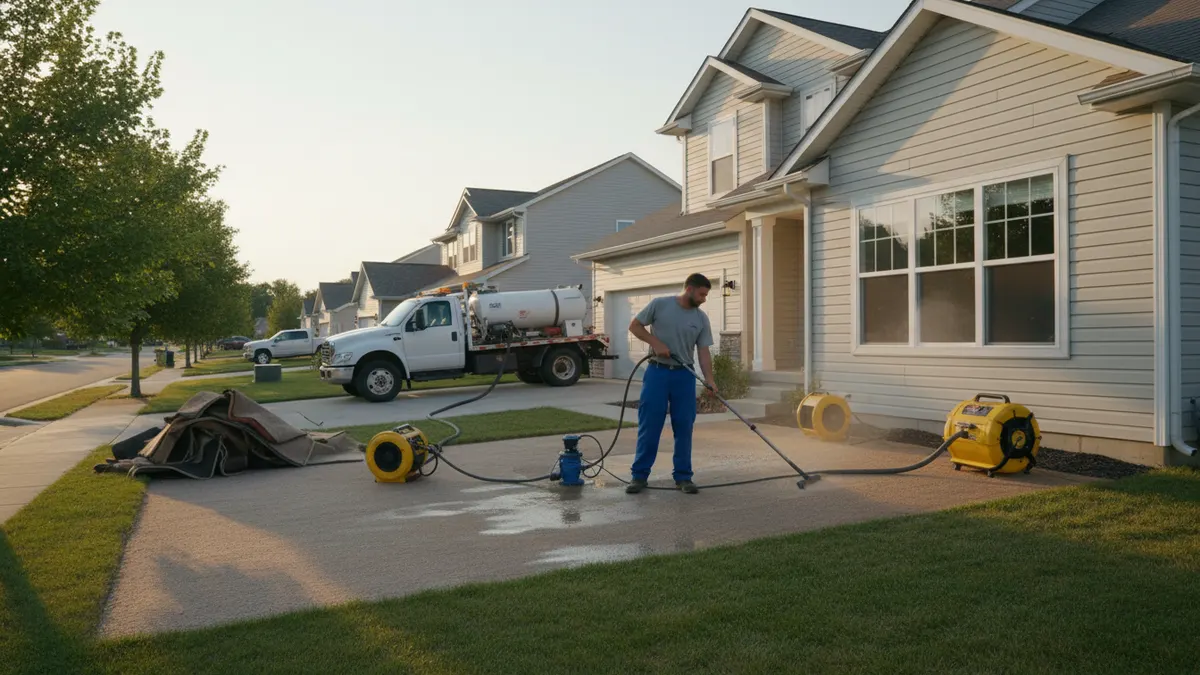
Emergency Water Extraction
We provide 24/7 standing-water extraction for St. Francis homes after storms, river-related water, overflows, or sudden indoor losses.
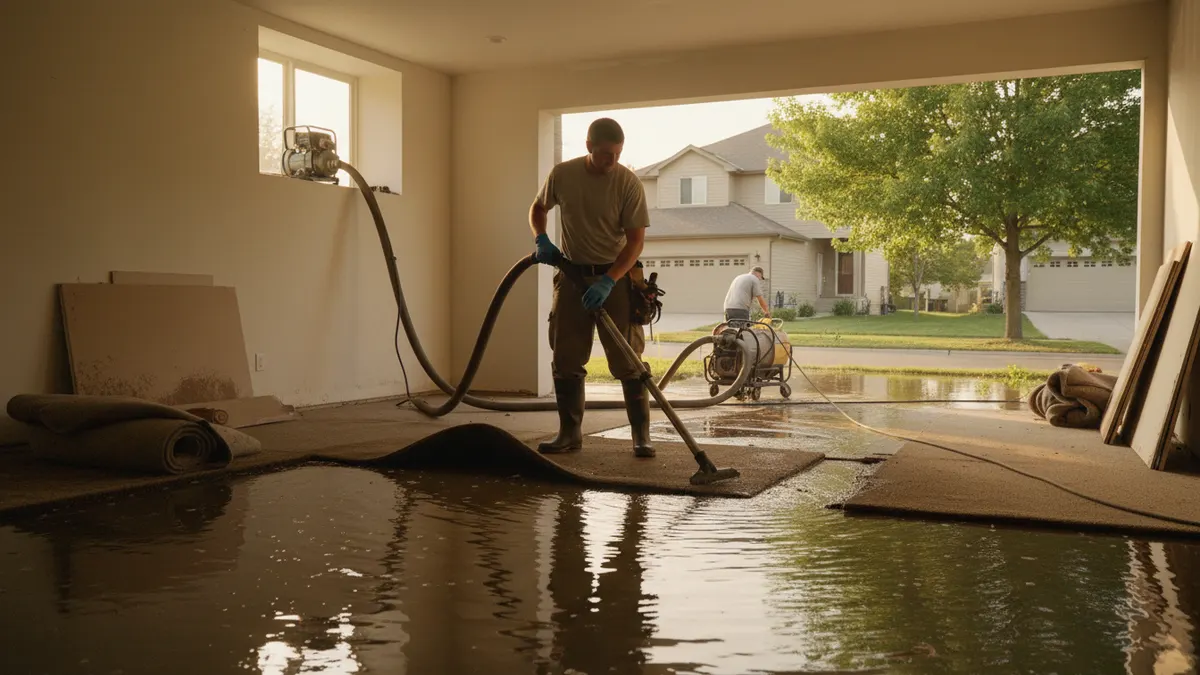
Flooded Basement Cleanup
We pump and dry St. Francis basements after heavy rain, snowmelt, groundwater seepage, or water entering near the Rum River.

Burst and Frozen Pipe Water Damage
We clean and dry St. Francis homes after frozen or burst supply pipes, water heater leaks, or appliance line failures during cold weather.
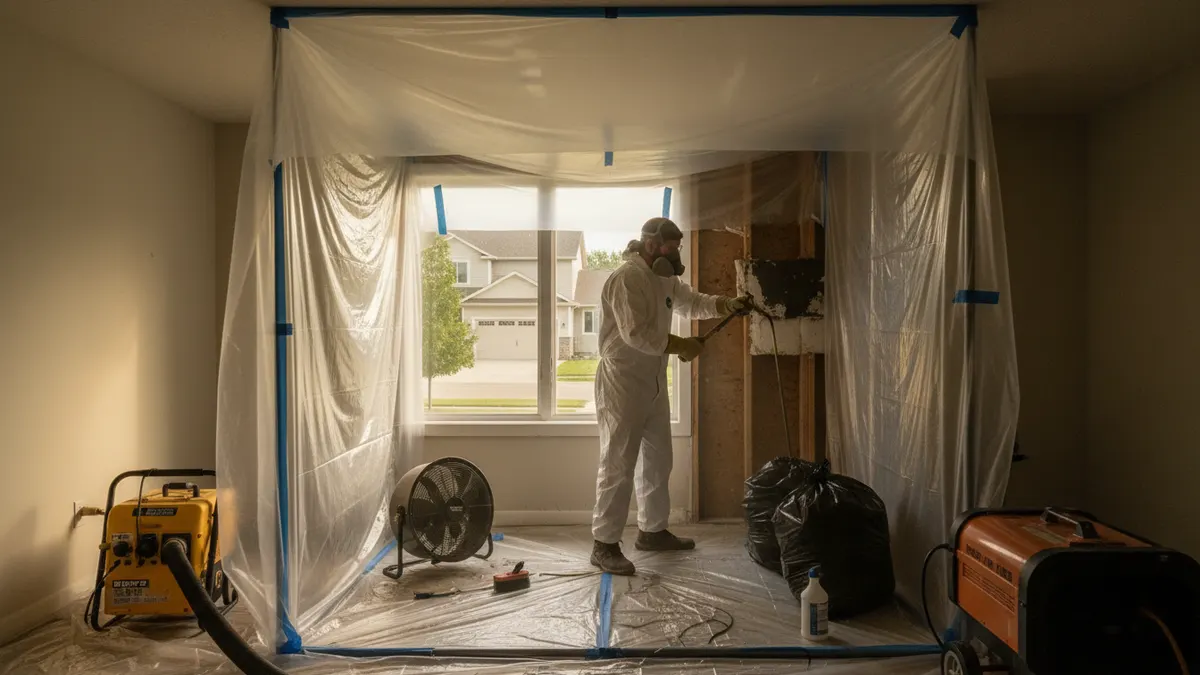
Mold Remediation
We address mold after water damage in St. Francis homes, using containment and filtration where moisture remains in concealed or porous materials.
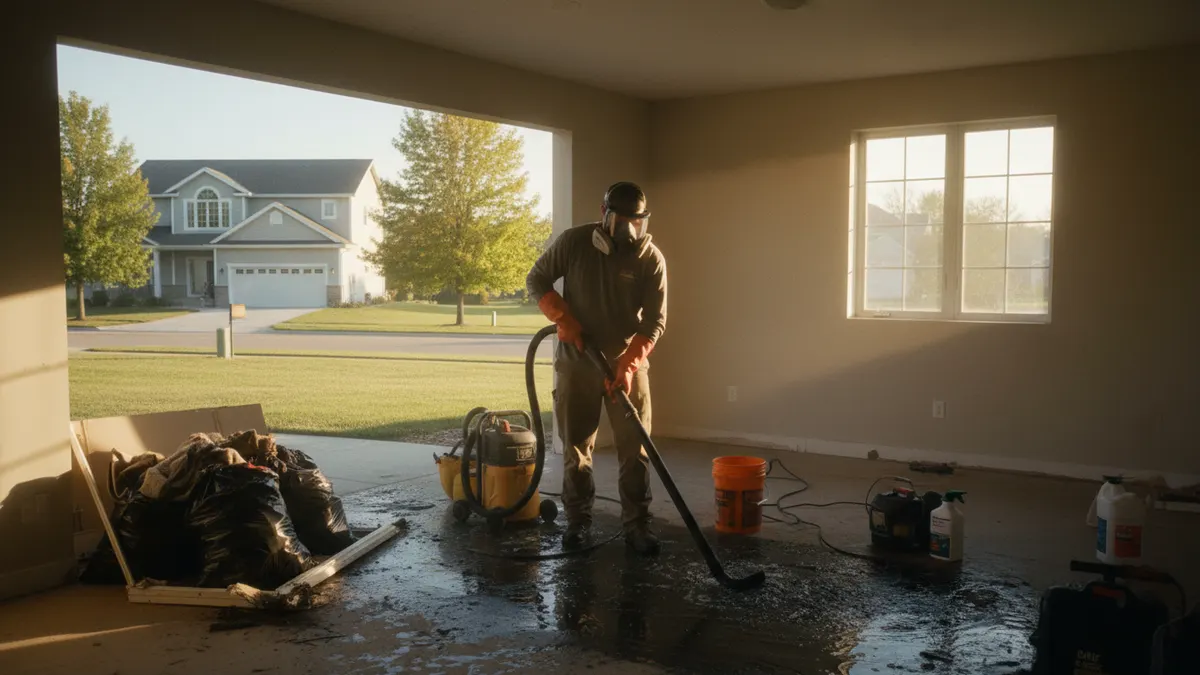
Sewage Backup Cleanup
We clean St. Francis sewage and drain backups involving municipal sanitary sewer service, contaminated water, porous materials, and affected lower levels.


Step by step
How We Scope a St. Francis Loss
We move from your first description to a documented drying decision, using the property, water source, and local conditions to guide each step.
Step 1
Tell us what happened
We record the source, affected level, and visible water. If the loss involves the Rum River, Seelye Brook, or municipal service, that context helps shape the inspection.
Step 2
Inspect and map moisture
Our technicians check materials and moisture patterns in rooms, walls, ceilings, and lower levels. We identify contamination concerns before choosing removal and cleaning work.
Step 3
Remove, clean, and dry
We extract water or pump flooded areas, clean and disinfect as needed, then place air movers and dehumidifiers where readings show drying is required.
Step 4
Verify the result
We return to check moisture readings, review affected areas, and document the drying work. The job is scoped from measured conditions rather than a preset promise.
What affects the price
What Moves the Price in St. Francis
NOAA Cedar records a July average daily high of 80.1°F near St. Francis. Warm conditions can influence drying, but the source, spread, access, and materials determine the work required.
Water source and contamination
River water, storm entry, a supply line, and a sewage backup require different handling. Contamination changes cleaning, protective measures, and disposal needs.
Materials in affected rooms
Carpet, pad, porous contents, framing, walls, and ceilings respond differently to moisture. Materials that cannot be dried may need removal.
Basement access and volume
Standing water in a St. Francis basement or lower level takes different equipment than water in a contained room. Depth, spread, and access affect extraction work.
Moisture behind finishes
Water can move behind walls, ceilings, and other finishes or into adjoining rooms. Our technicians use mapping and readings to find the actual drying area.
Weather and drying conditions
The July average high at NOAA Cedar is 80.1°F, while winter heating demand is also significant. We adjust equipment placement according to readings, not a fixed schedule.
We agree on the scope and the price with you before we start.
Around town
St. Francis Numbers With Practical Meaning
These local figures give context for the homes, weather, and materials our team may encounter during water cleanup in St. Francis.
80.1°F
July average high
Summer heat can change evaporation and equipment needs during structural drying.
$297,800
Median home value
Home value adds context when we document affected finishes and contents.
63.9 in
Snowfall a year
Snow load and melt can contribute to basement or lower-level water entry.
17.7%
Homes built before 1980
Older homes may contain materials and cavities requiring careful moisture checks.
Sources: NOAA 1991-2020 climate normals, Cedar station; U.S. Census Bureau, ACS 2023 5-year estimates
Good to know
St. Francis Water Damage Questions
What happens when I call?
We ask what happened, where water is present, and whether the loss involves a basement, sewer backup, storm, or pipe failure. Our technicians inspect the property, map moisture, explain the work, and begin the needed extraction, cleaning, or drying steps for your St. Francis home.
What affects the price of work in St. Francis?
The source, contamination, water volume, affected rooms, materials, and access all matter. A Rum River or storm-related loss may differ from a supply-line failure or sewage backup. We base the scope on inspection findings, moisture readings, equipment needs, and materials that can or cannot be dried.
Does the age of my St. Francis home matter?
It can. St. Francis has 17.7% of homes built before 1980, compared with 41.2% across Anoka County. Older assemblies may hold moisture in concealed areas or include materials that respond differently, so we inspect beyond the visible surface before deciding what must be dried or removed.
How should I get ready for the visit?
Keep people and pets away from standing water, if possible, and tell us what caused the loss. Note affected rooms and visible changes in walls, ceilings, or flooring. If sewage or floodwater is involved, avoid contact and wait for our cleanup assessment.
Do I need to be home during the visit?
We need access to affected areas and permission to perform the agreed work. If you cannot be present, arrange secure entry and provide instructions about the water source, utilities, pets, and restricted rooms. We will explain findings and document the drying work.
Our area
Find Your St. Francis Service Area
Use the map to check your street and nearby coverage. We drive to St. Francis from Elk River, and our service area also includes Nowthen, Ramsey, Zimmerman, Oak Grove, and Bethel.
Local climate
St. Francis Drying in Local Weather
NOAA Cedar is 7.3 miles from St. Francis and provides the 1991-2020 normals shown here. Its 34.38 inches of annual precipitation helps explain why rain and moisture planning belong in a local drying conversation.
A typical year
- January averageLows near 5.6°F
- 14.2°F
- July averageHighs near 80.1°F
- 70.9°F
- Heating degree daysPer year, base 65°F
- 7,905
- Cooling degree daysPer year, base 65°F
- 535
- PrecipitationRain and melted snow per year
- 34.38 in
- SnowfallAverage per year
- 63.9 in
NOAA 1991-2020 climate normals, Cedar station, 7.3 miles from St. Francis.
This week in St. Francis
Live forecastGet Your St. Francis Scope
Call our team to inspect the affected areas, account for Seelye Brook and local access conditions, and build a clear cleanup plan.
Speak with our team
(763) 297-5013Service area
Elk River, MN 55330